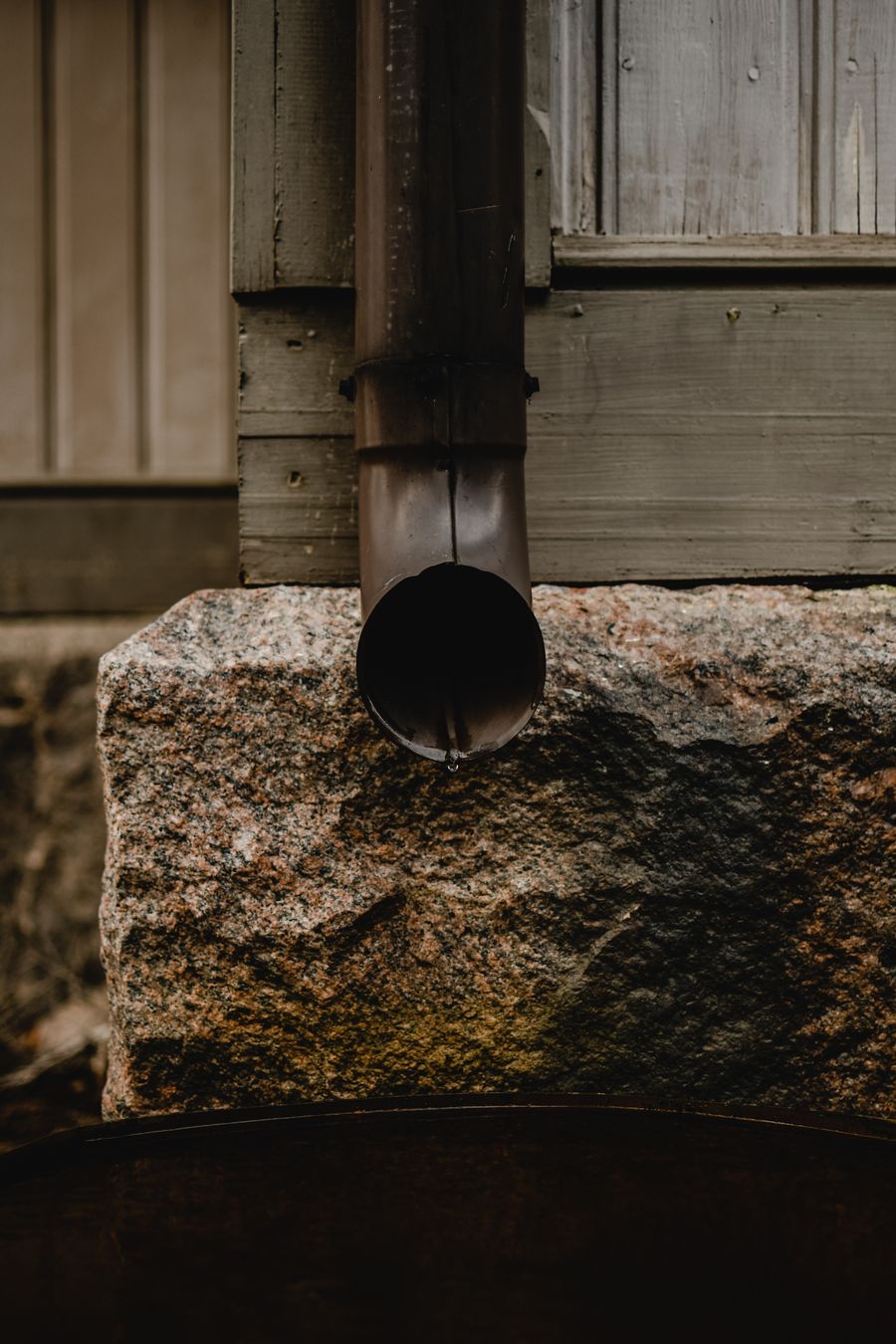
EMBER & Zone 0: The Five-Foot Law
The ground half of the same defence: Berkeley’s Zone 0 ordinance and what it asks of gutters, vents, and the five feet at your walls.
EMBER & Zone 0: The Five-Foot Law →Ask three Berkeley roofers what the hills require and you will hear three summaries. The City of Berkeley publishes the actual text — a Building & Safety guideline that names the assembly, the flashing gauge, the chimney hardware, and the one exception that decides whether your job is a repair or a re-roof. We work from the document. Here it is, translated line by line.
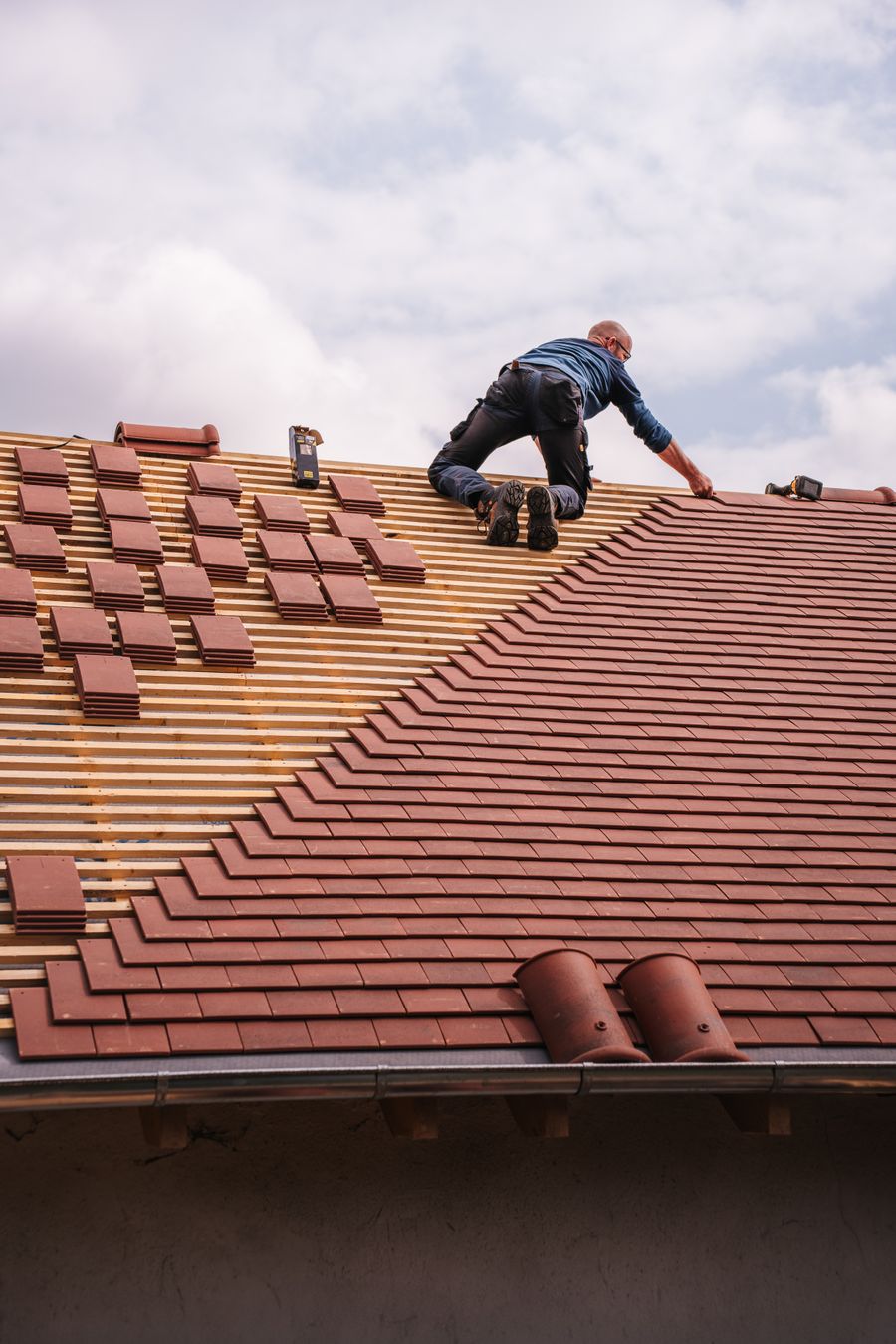
Fire Zone 2 is the Combined Hillside District on the City’s zoning map, plus every parcel CAL FIRE maps as Very High Fire Hazard Severity Zone. If your house is in either, the rules below govern its roof.
Berkeley keeps three local fire zones. Zone 1 is the default — the rest of the city under the standard building code. Zone 3 covers the Environmental Safety–Residential districts and adds its own requirements. Zone 2 is the one with teeth, and its restrictions reach further than most owners expect: the guideline applies them to construction, reconstruction, additions, alterations, repairs and re-roofing alike, and they have been in force in this form since July 1, 2008.
One caution before the spec itself, because the confusion is now common: two fire maps overlap in the hills. The City’s Zone 2 — the map your permit is judged against — is Berkeley’s own, drawn larger than the state’s. CAL FIRE’s state maps were redrawn in 2025, as Berkeleyside’s map explainer walked through, and the state picture changed again. A contractor quoting the state map at you may be describing a boundary the permit desk does not use. And the ground-level companion to all of this — the five-foot Zone 0 band — is covered in our EMBER guide.
From the Building & Safety Division’s guideline, “Restrictions in the Fire Zone” — the operative local text:
| Element | The city’s rule | What it means on your roof |
|---|---|---|
| Roof covering | Class A minimum, installed to its listing | The assembly — not just the shingle — must carry the Class A rating, fitted the way its listing demands. |
| Wood shakes & shingles | Prohibited as roof coverings, regardless of the assembly rating beneath | No new wood roof in Zone 2, full stop — even over a rated assembly. |
| Valley flashing | Minimum 0.019-inch — #26-gauge — galvanised steel | The valleys get a specified metal, not whatever is on the truck. |
| Roof-profile voids | Fire-stopped against flame and ember intrusion | The gaps where a roof profile meets the wall are sealed against embers; a 72-lb cap-sheet alternative is specified. |
| Chimneys | Spark arrestors on solid-fuel chimneys whenever the structure is re-roofed | The fireplace you use twice a year gets hardware at re-roof time. |
Source: City of Berkeley Building & Safety Division, “Restrictions in the Fire Zone” (issued 2003, revised 2012) — the guideline your permit is checked against. The state’s Chapter 7A wildfire construction rules sit underneath it; from January 1, 2026 they are consolidated in the new California WUI Code (Title 24, Part 7).
Buried in the same guideline is the sentence hills homeowners most need and least often hear: the Class A and no-shake requirements carry an exception for replacement of less than 50% of the roof area within a five-year period. Work under that line is treated as the repair it is. Work across it is a re-roof, with the full spec attached — which is why the first thing we do on a hills job is measure the scope against the line and show you the arithmetic.
This is also where honesty pays rent. A repair scoped at 45% that quietly grows to 60% on the day has not saved you anything; it has bought you a compliance problem with a new roof attached. Our scopes state the percentage up front, and when the right answer genuinely is the full job, a compliant replacement is planned as one — assembly, flashing, arrestors and all. When it is not, a documented repair under the line is the whole job, and we will tell you so.
None of these rules self-executes. They are applied at the Permit Service Center, 1947 Center Street, when the re-roof is permitted — one more reason the scope in writing matters before anyone files: the conversation is much cheaper at the counter than after a stop-work notice.
Because Berkeley has read this report before. When the Tunnel Fire ran through the Oakland–Berkeley hills in October 1991, the U.S. Fire Administration’s technical account named the ignition mechanism precisely: embers carried ahead of the fire, landing on bone-dry brush and on residential shake roofs. Twenty-five people died and more than 3,000 homes were destroyed across the two cities. The shake prohibition is not an aesthetic preference; it is that sentence, codified.
Berkeley’s response, over the following decades, consistently went further than Sacramento’s. The City adopted the state’s wildland-urban interface codes in 2008 and expanded them — larger zones, and requirements expressly extended to repairs and alterations, per the City’s own firestorm-anniversary summary. The guideline on this page is that instinct in document form: a city that watched roofs become the fuel deciding, in writing, what a roof may be.
Two checks, because two maps exist. The City’s zoning map carries the Combined Hillside District — that, plus the state’s Very High Fire Hazard Severity Zone mapping, defines Zone 2 for permit purposes. CAL FIRE’s online FHSZ viewer shows the state layer for any address. We verify the parcel as part of any hills estimate, and we will show you which map produced the answer, because a state-map screenshot alone does not settle a Berkeley permit question.
An existing roof is not made illegal by the guideline; the prohibition bites when the covering is replaced. Inside Zone 2, a re-roof may not go back on in wood shakes or shingles, whatever assembly sits beneath them. Outside the zone, an ageing shake roof can generally serve out its life — and owners usually convert at replacement anyway, a job that typically needs full re-sheathing over the original board decking, as Berkeley’s own contractors describe it.
Not while the work stays a repair. The guideline’s exception covers replacement of less than 50% of the roof area within a five-year period — under that line, the Class A and no-shake mandates do not attach. Past it, the whole re-roof specification does. The practical consequence: on a hills roof, measuring and documenting the repair’s share of the whole is part of the job, and any scope that cannot tell you its percentage has not been thought through.
The ground half of the same defence: Berkeley’s Zone 0 ordinance and what it asks of gutters, vents, and the five feet at your walls.
EMBER & Zone 0: The Five-Foot Law →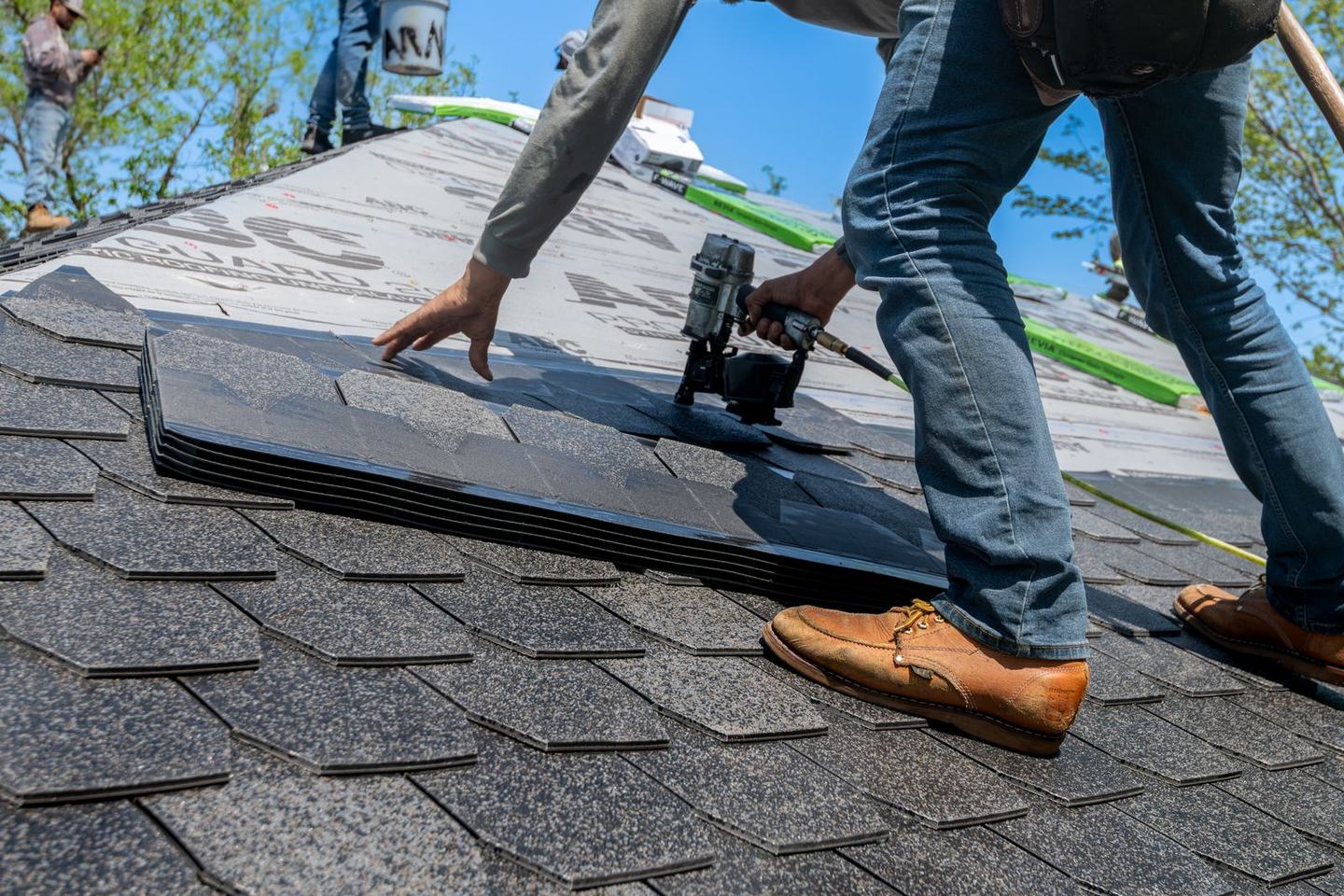
The older fire that wrote the first draft of these rules — and left its boundary readable in North Berkeley’s roofs.
Reading the 1923 Fire in Today’s Roofs →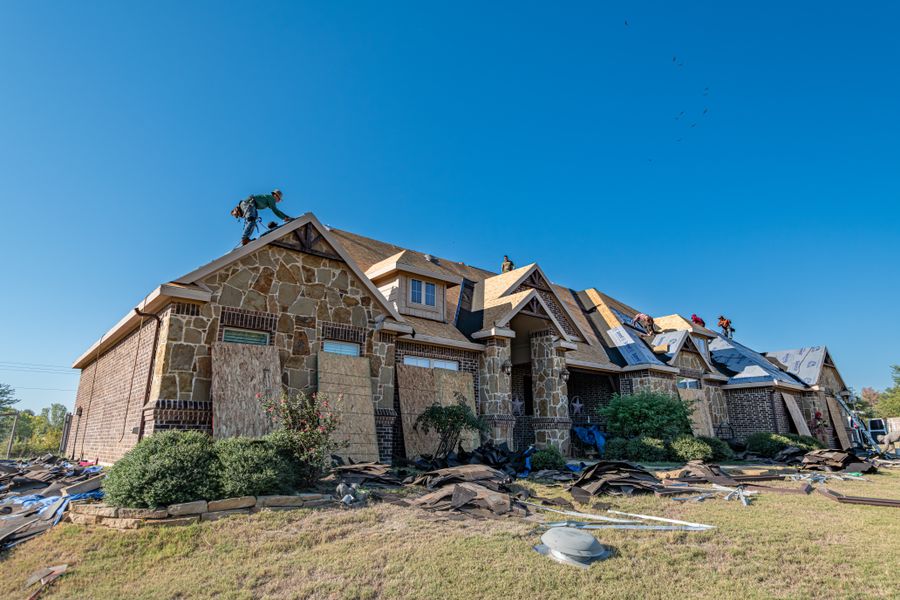
A re-roof run to this spec sheet: Class A assembly, the permit handled, EMBER measures documented in the same contract.
Roof Replacement in Berkeley →Before anyone quotes you a Berkeley hills re-roof, ask which document the quote is built from. Ours is the city’s guideline, and we will happily walk your parcel through it line by line. Call us, and bring the address — the map check is free, and it decides everything downstream.