Roof Repair Berkeley
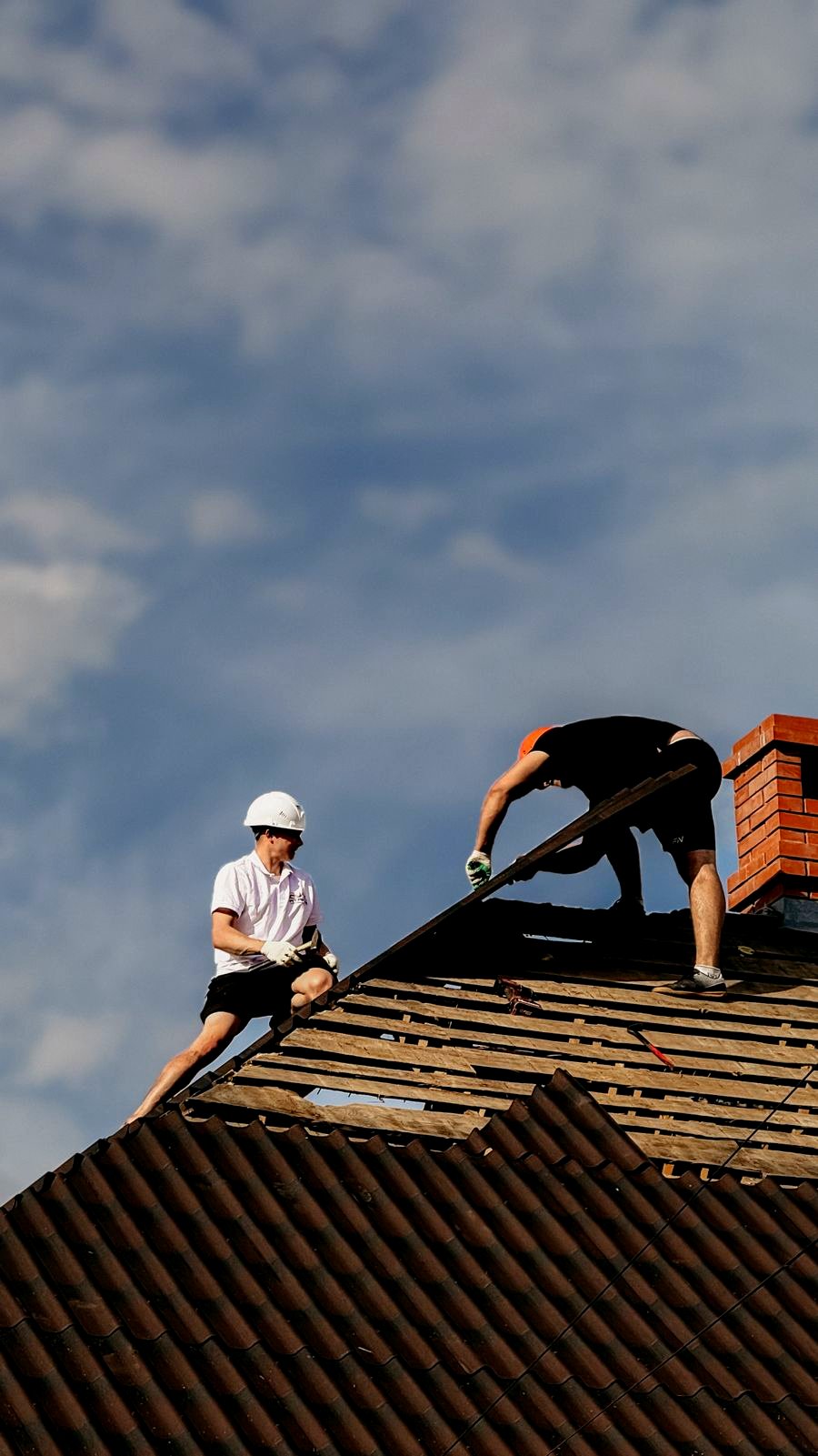
Leaks traced to the source — flashing, valleys, pipe boots, split seams — then fixed and photographed.
Roof Repair in Berkeley →Our roofing Albany work is the shortest run on our map. Albany begins where Berkeley's north side ends, and its streets run on the same flatland grid under the same Golden Gate fog — but the housing is its own: dense blocks of 1920s and 1930s bungalows that have been re-roofed, patched, and added onto for a century. We bring Albany the discipline we work by at home: climb up, photograph everything, and put the number in writing.
Six core services, plus the insurance documentation the hills now demand — the full Berkeley menu, one town line north.
Leaks traced to the source — flashing, valleys, pipe boots, split seams — then fixed and photographed.
Roof Repair in Berkeley →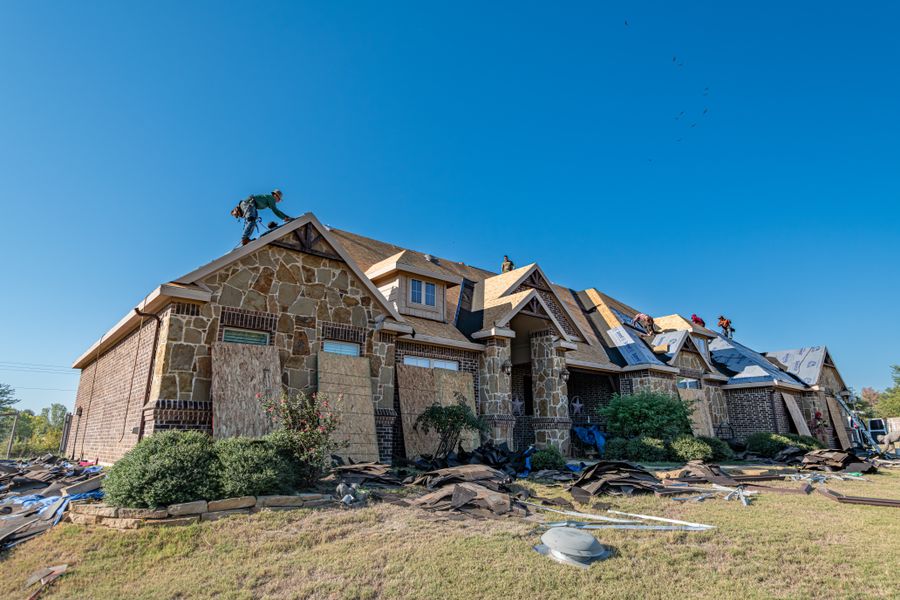
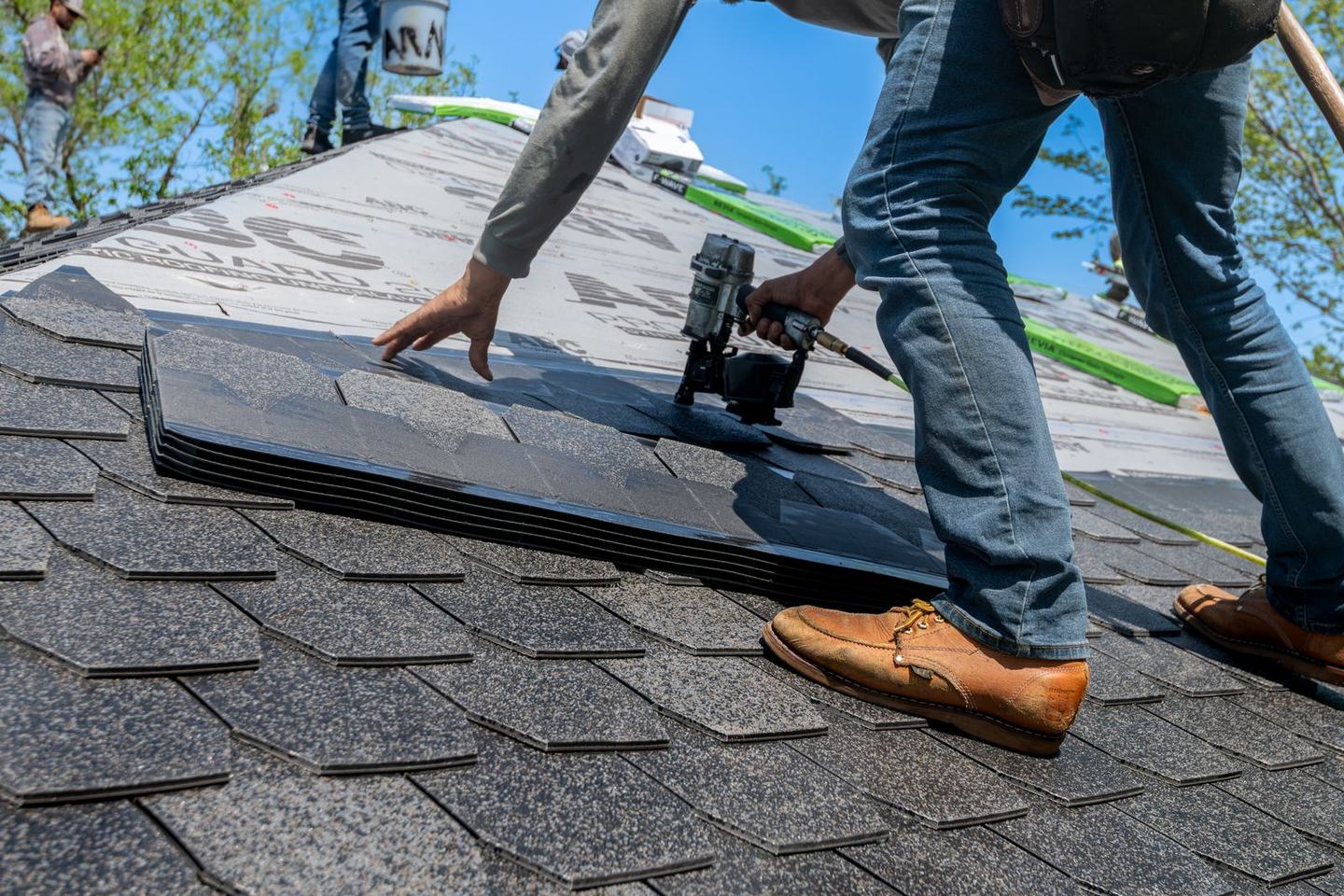
Full tear-off and replacement — shingle, tile, metal, or low-slope — permitted, inspected, priced in writing.
Roof Replacement in Berkeley →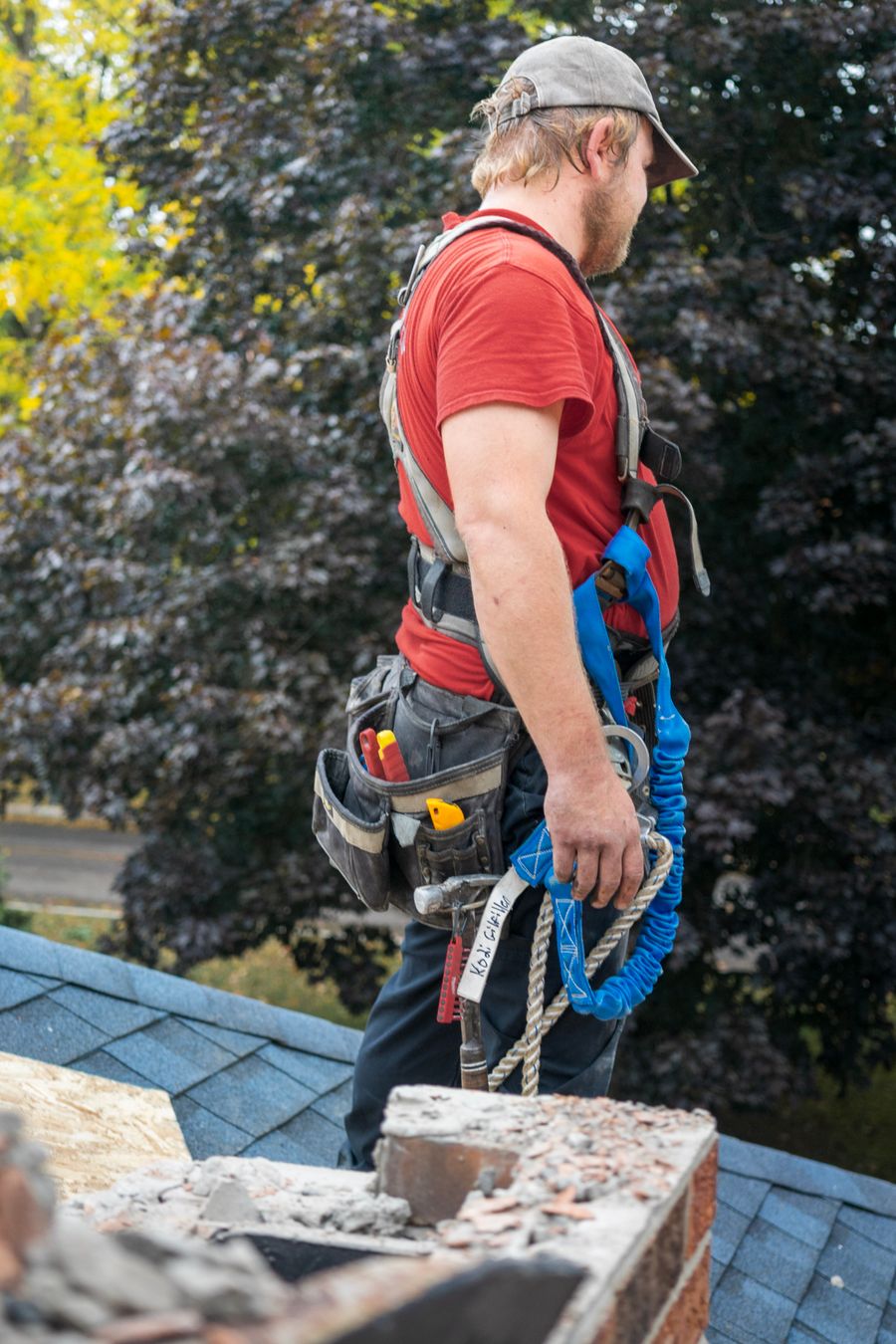
A documented look at the whole roof — surface, flashing, drainage, fire-zone status — and a plain read on what is urgent.
Roof Inspection in Berkeley →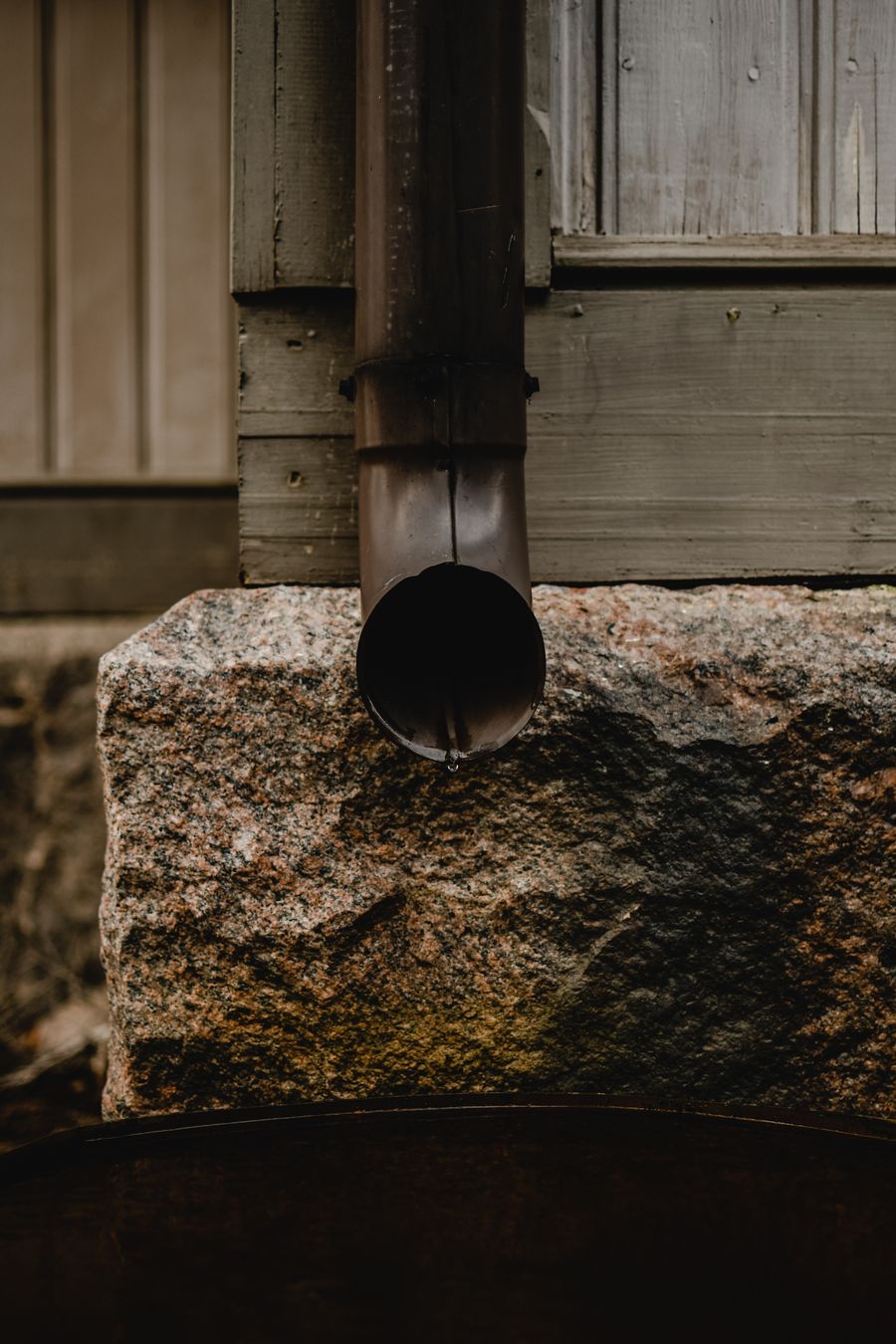
Seamless gutters sized for atmospheric-river rain and oak litter; in Fire Zone 2, noncombustible metal — gutters are part of the fire package.
Gutter Installation in Berkeley →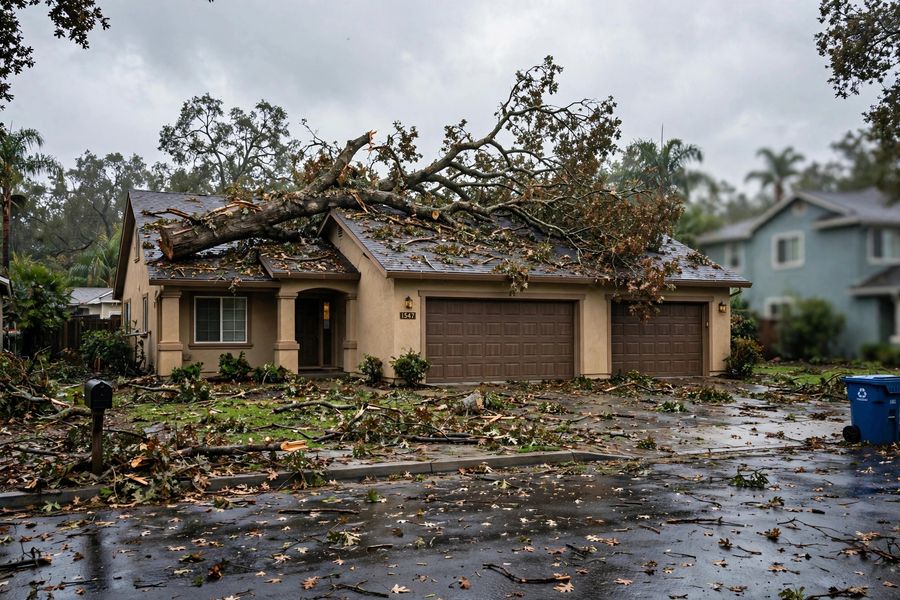
Storm damage here means wind-driven rain, lifted shingle courses, and oak limbs on the deck. We dry in, photograph it all for your insurer, then repair.
Storm Damage Roof Repair in Berkeley →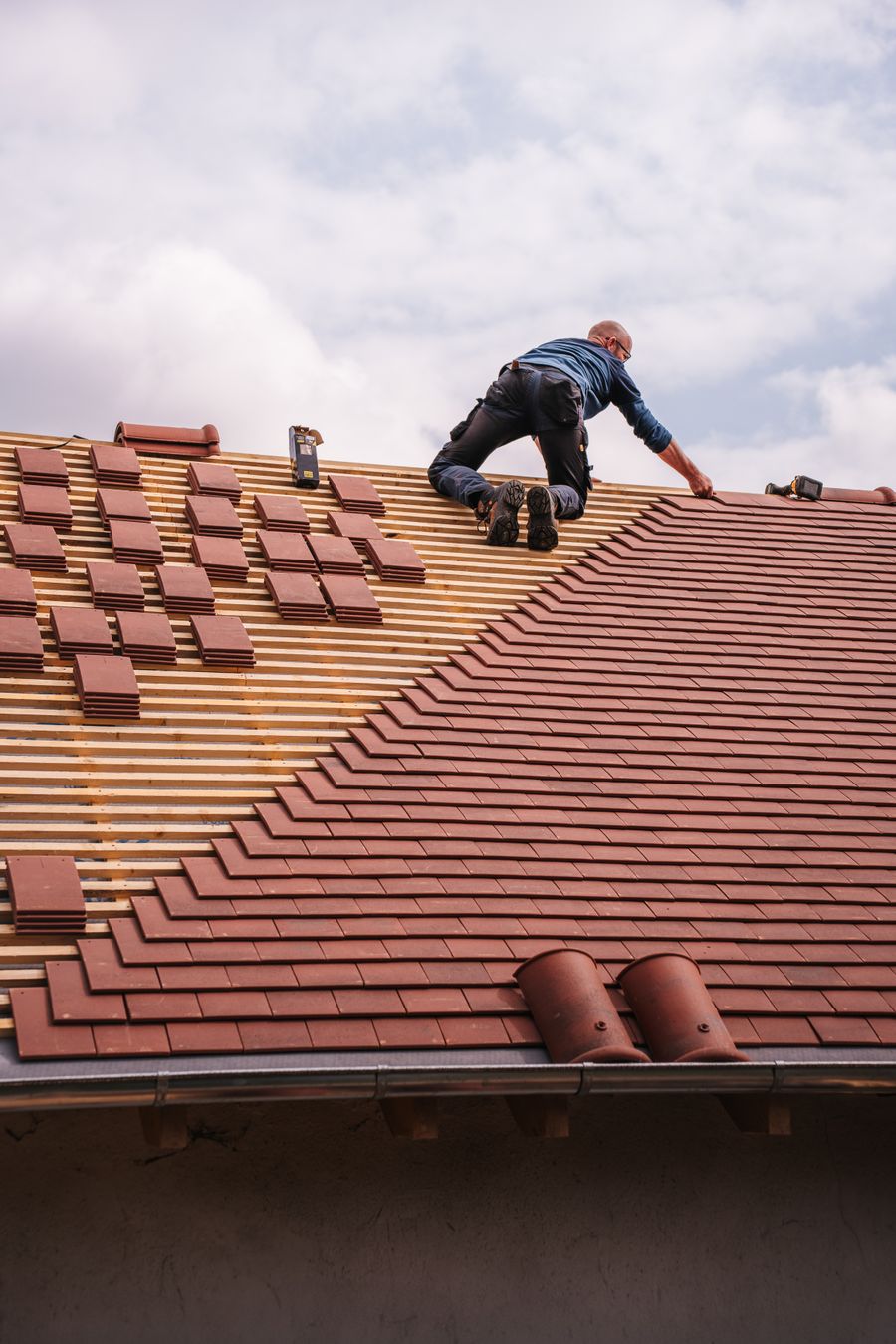
New homes, additions, and ADUs roofed to code — including Chapter 7A assemblies on hillside builds.
New Roof Installation in Berkeley →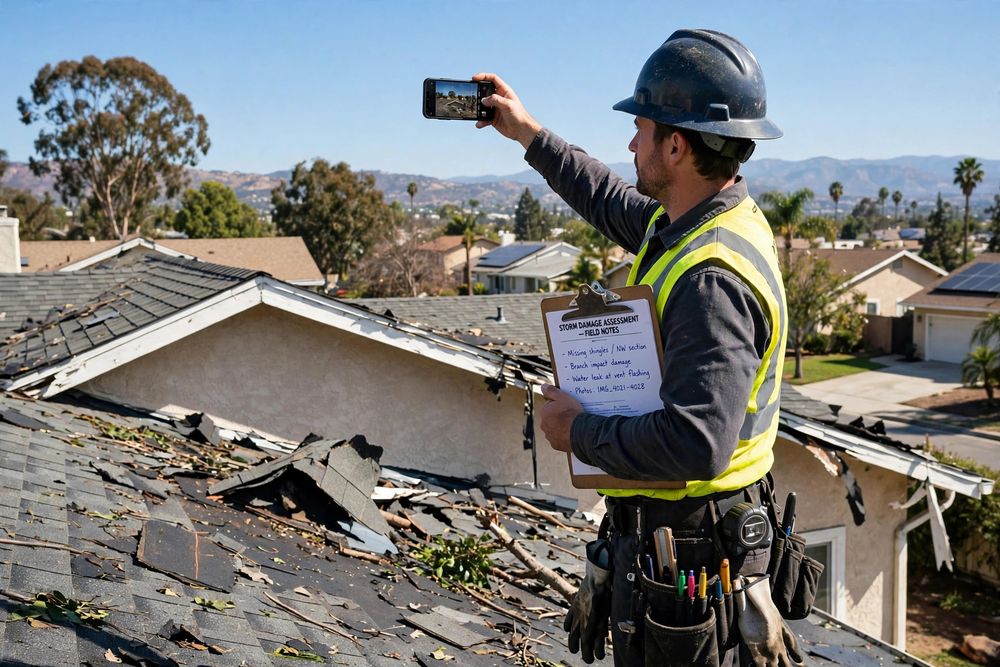
Holding a non-renewal letter, or a FAIR Plan file needing roof documentation? We record condition, materials, and Class A status with photos and a written report.
Roof Insurance Claim Help in Berkeley →Albany is a streetcar suburb that never sprawled. The city incorporated in 1908 and built out fast on flat land between the bay and the hills, so most of its roughly 8,500 homes went up in the 1920s and 1930s: Craftsman bungalows, Spanish Revival cottages, and Tudor Revival houses on compact, tightly packed lots, with mid-century homes filling in the later streets. Nearly every roof in town is on at least its second life, and many still sit over the original board sheathing those houses were framed with.
Two landmarks organise the map. Solano Avenue, the main street Albany shares with Berkeley, runs east–west through the middle of town, and the Solano Stroll closes it to cars every September. Albany Hill, one of the few natural hills in the East Bay flatlands, rises over the southeastern blocks — homes on its slopes sit higher, catch more wind, and look down on the flat grid the rest of the city shares.
At the western edge, University Village — UC Berkeley's family housing — and the streets running down toward the Albany Bulb sit closest to the water. Those blocks take the strongest bay wind and the most salt in the air, and their roofs weather measurably faster than the sheltered blocks a few streets inland.
The failure list here is the flatlands list, sharpened by density. Fog off the bay keeps shaded north slopes damp for weeks, so moss and algae move in and lift shingle edges. Century-old flashing — at chimneys, at the little dormers these bungalows wear, at every joint where an addition meets the original house — reaches the end of its life and starts letting water walk in sideways during an atmospheric river.
Additions are the second story. A 1928 bungalow that gained a kitchen in 1965 and a family room in 1990 has three roof planes of three different ages meeting at valleys nobody designed as a system. Those junctions, not the open field of the roof, are where most Albany leaks we trace actually begin.
Albany is one of the most densely settled small cities in California, and its lots are tight: side yards are narrow, carries are long, and staging a tear-off takes planning. We price the access at the estimate — the same discipline as our Berkeley hills work — so the number you approve is the number the job runs on.
We are based at 205 University Ave in Berkeley, and Albany is the closest work we take: the same Solano Avenue that anchors Albany runs straight into Berkeley's north side, and most Albany addresses are a shorter drive from our door than half of Berkeley's own hills. You get a crew that already works this exact housing stock every week — because on our side of the line, the same 1920s bungalows stand on the same fog line.
The process does not change at the city limit. We inspect and photograph the whole roof, write one scope with the honest options priced beside each other, pull the permit through Albany's building division when the work needs one, and hand over the photo file when we are done.
Five and a half square miles, one ZIP code — and still, the waterfront blocks and the hill live in different weather.
The main-street blocks: pre-war bungalows and Spanish Revival homes behind the shops, plus low-slope commercial roofs along the avenue itself. Original detailing, original flashing problems.
The lone hill in the flatlands. Slope homes catch the wind the grid below is sheltered from — uplift-rated fastening and ridge detailing matter here in a way they do not three streets down.
West Albany, toward the old landfill turned park on the bay. Salt air and the strongest wind in town: fasteners, flashing, and metal work corrode first on these blocks.
UC Berkeley's family housing and the streets around it — postwar and mid-century roofs, many of them rentals, where a documented scope matters as much as the repair itself.
Honest framing first: nobody publishes an Albany-only price index, so the sanity check for roofing Albany bids is the Berkeley-area envelope — the published contractor ranges from the city next door, whose housing stock and labour market Albany shares. Treat any bid far outside these brackets as a question to ask, not a bargain or a scam:
| Job | Published range | Source |
|---|---|---|
| Small repairs — a leak traced and fixed | $300 – $800 | Berkeley-area contractor-published ranges |
| Larger repairs — flashing, valleys, decking | $1,000 – $3,500 | Berkeley-area contractor-published ranges |
| Asphalt shingle replacement, typical home | $13,000 – $30,000 | Berkeley-area contractor cost guides |
| Steep, premium, or tile work | $35,000 and up | Berkeley-area contractor cost guides |
These are Berkeley-area published ranges, not our prices and not an Albany average — none exists that we can honestly quote. Tight-lot access and extra tear-off layers are the two things that most often move an Albany job inside its bracket.
Yes — a full replacement is permitted work through the City of Albany's building division, and we pull it and close out the inspection. Small repairs, a few shingles or a flashing fix, generally do not need a permit. We will tell you which side of the line your job sits on before we quote it.
Aspect and shade. Albany sits in the fog path off the bay, and a north-facing slope under street trees can stay damp for weeks while a sunny slope across the street dries by noon. Moss lifts shingle edges and holds moisture against the roof; we clear it, check what it hid underneath, and spec algae-resistant shingles when that slope is re-roofed.
The details, not the field. On Albany's pre-war stock the chimney and dormer flashing, pipe boots, and the valleys where additions meet the original roof give out years before the shingles do. That is why we inspect the junctions first and photograph them — most bungalow leaks are small, exact fixes, not new roofs.
Yes. Albany homes change hands at prices that make a roof question worth answering with evidence: dated photographs, material and condition notes, and a written report a buyer's inspector or an insurer can read. Sellers usually call us before listing, while “age unknown” can still be replaced with documented.
Albany is the closest town we serve — it borders Berkeley, and most addresses are minutes from our base at 205 University Ave. In the rainy season we run the same order of work as at home: dry-ins and leak response first while the rain is on, permanent repairs scheduled into dry days.
Start with roofing Albany work you can verify: a photographed inspection, one written scope, and a number checked against published ranges before you sign anything. Call us — the drive over takes us less time than the inspection will.