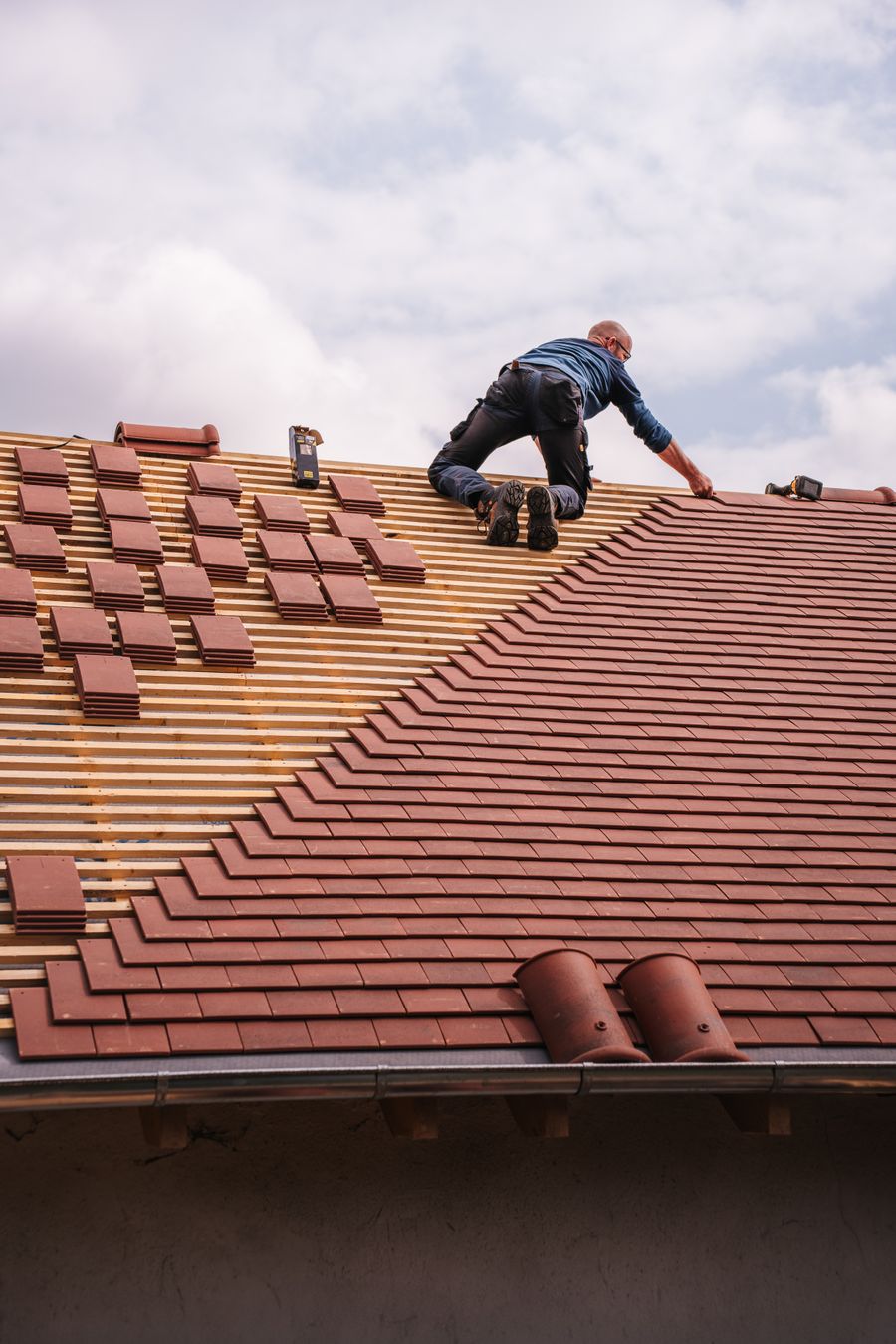
Fire Zone 2 Rules, Quoted Not Summarised
Zone 0 handles the ground at your walls. Fire Zone 2 handles the covering over your head — the city’s re-roof spec, quoted.
Fire Zone 2 Rules, Quoted Not Summarised →Every Berkeley roofer can talk about the state’s fire zones. Almost none can tell you about EMBER — the City of Berkeley’s own Zone 0 ordinance, in force since January 1, 2026, covering roughly 1,400 homes in the very-high-risk hills. The Fire Department has already inspected more than 600 of them. This guide translates the ordinance into the three things it actually inspects on your house: the roof, the gutters, and the vents.
EMBER — Effective Mitigations for Berkeley Ember Resilience — is Berkeley’s local version of Zone 0: the rule that the first five feet around a home, and the roof above it, stop being fuel.
The state framework already divided the ground around a house into zones — 0 to 5 feet, 5 to 30, 30 to 100 (Public Resources Code §4291). What Berkeley did, through EMBER, was adopt the innermost band as a city law with a local inspection regime behind it, aimed at the neighbourhoods around Panoramic Hill, Grizzly Peak and Tilden Regional Park, where the very-high fire hazard mapping sits. The Daily Cal’s reporting puts the covered homes at about 1,400 and the Berkeley Fire Department’s completed inspections past 600 — this is not a paper ordinance.
The logic is the 1991 lesson restated for lawyers: wind-borne embers, not a wall of flame, are what reach most houses first, and embers ignite whatever is dry and close — litter in a gutter, needles on a roof, a vent with no mesh. Zone 0 thinking treats the house’s own perimeter as the battlefield. The ground rules for the roof itself — Class A coverings, the shake ban, spark arrestors — live in a different document, the City’s Fire Zone 2 guideline, which we quote in full in our guide to the re-roofing rules. EMBER is the ground-and-eave half of the same defence.
Start at the top. The state’s own draft Zone 0 measure list names roof and gutter debris explicitly — the litter layer is treated as part of the structure’s ignition risk, not as housekeeping. On a Berkeley hills roof that litter is specific: oak and redwood drop in the canopy streets, pine needles on the ridge lots, and all of it migrates to the same three addresses — the valleys, the gutter channel, and the flat spots behind chimneys.
Gutters are where the ordinance conversation gets concrete. The Zone 0 discussion carried in coverage of the state rule-making — the 99% Invisible episode on Zone Zero among it — keeps returning to two hardware items: gutter guards and metal vent mesh. A guard that keeps the channel empty of fuel, on a noncombustible metal gutter, converts the eave from the house’s most ember-exposed fuel bed into a dead end. That is the thinking behind the gutter systems we fit in the hills: metal, guarded, and handed over photographed clean.
Vents are the third item, and the quietest. An unscreened or coarsely screened vent is an open door sized for embers; fine metal mesh is the fix the ordinance conversation assumes. When we walk a hills roof we read all three systems as one inspection — surface, drainage, openings — and our EMBER-readiness pre-check writes that read down before the Fire Department’s inspector has to.
Five steps, in the order the Fire Department’s list would suggest:
Read the parcel’s maps first
Two maps matter and they are not the same map: the City’s Fire Zone 2 boundary governs your roof work, and the EMBER area decides whether the five-foot rule applies to your address. We check both before quoting anything.
Clear the roof and gutters
Valleys, channels, and the litter traps behind chimneys and skylights, cleared and bagged out. On canopy streets this is the single largest visible change an inspection produces.
Mesh the vents
Attic, eave, and foundation vents checked for ember-rated fine metal mesh; the gaps and the tired screens replaced while we are up there.
Guard or replace the gutters
Where the existing run is combustible, sagging, or unguardable, the fix is a metal system with ember-conscious guards — sized, as ever, for a five-inch December rather than an average month.
Document the result
Dated photographs of every cleared and meshed item, filed with the invoice. Your insurer reads the same pictures the Fire Department’s standard implies.
They are cousins, not twins. The zone framework — 0 to 5, 5 to 30, 30 to 100 feet — comes from state law, Public Resources Code §4291, and applies across California’s fire country. EMBER is the City of Berkeley’s own ordinance built on that framework’s innermost band, with the City’s Fire Department running the inspections. What governs your house is the local law; the state distances are the measuring tape it uses.
No. EMBER’s demands at the roofline are about fuel and openings — debris cleared from the surface and gutters, vents meshed, nothing combustible resting against the eaves. The roof covering itself is regulated by a different rulebook: inside Fire Zone 2, a re-roof must be Class A and may not be wood shake, but an existing roof is not condemned by EMBER for being old. If an inspection finds your covering is also at end of life, that is a roofing conversation, not an ordinance one.
An inspector walks the property against the ordinance’s mitigation list — the five-foot band, the debris state of roof and gutters, vent protection, and the combustible items stored against the house. The Department had already worked through more than 600 of the roughly 1,400 covered homes when the Daily Cal reported on the programme. Our readiness visit mirrors the same list beforehand, so the official inspection confirms a state of affairs instead of discovering one.
Zone 0 handles the ground at your walls. Fire Zone 2 handles the covering over your head — the city’s re-roof spec, quoted.
Fire Zone 2 Rules, Quoted Not Summarised →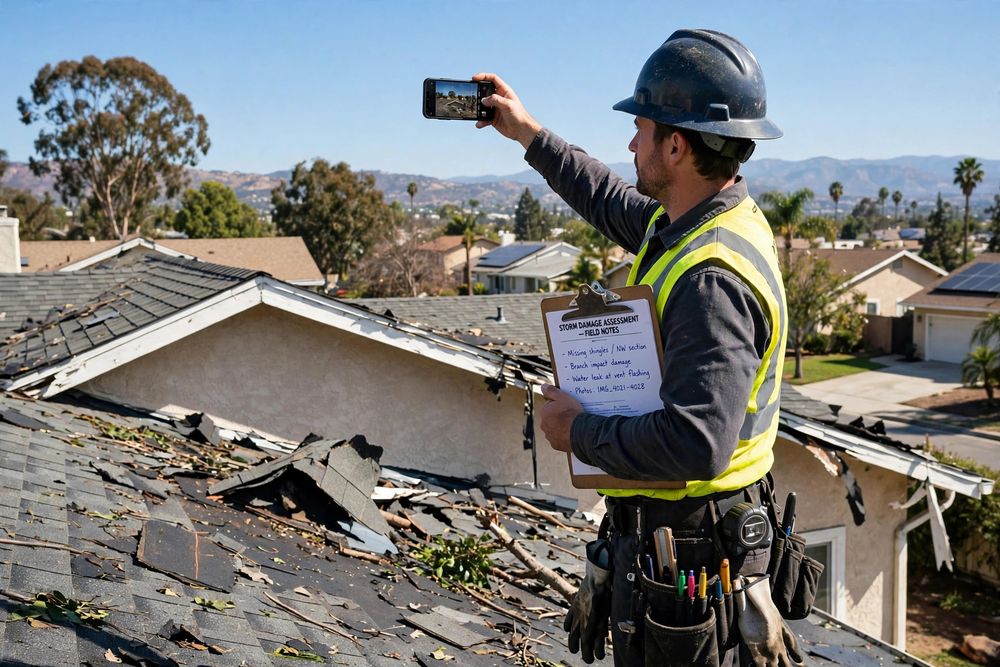
The other deadline in the hills mail: what a non-renewal starts, and the workplan that answers it in 75 days.
Non-Renewed? The 75-Day Roof Plan →
Metal, guarded, debris-free: gutter work specified for ember country and photographed at handover.
Gutter Installation in Berkeley →If your address sits inside the EMBER map, the next inspection is a matter of when, not if. Call us, and we will clear, mesh, and document your roofline against the ordinance’s own list — before the Fire Department’s knock, not after it.