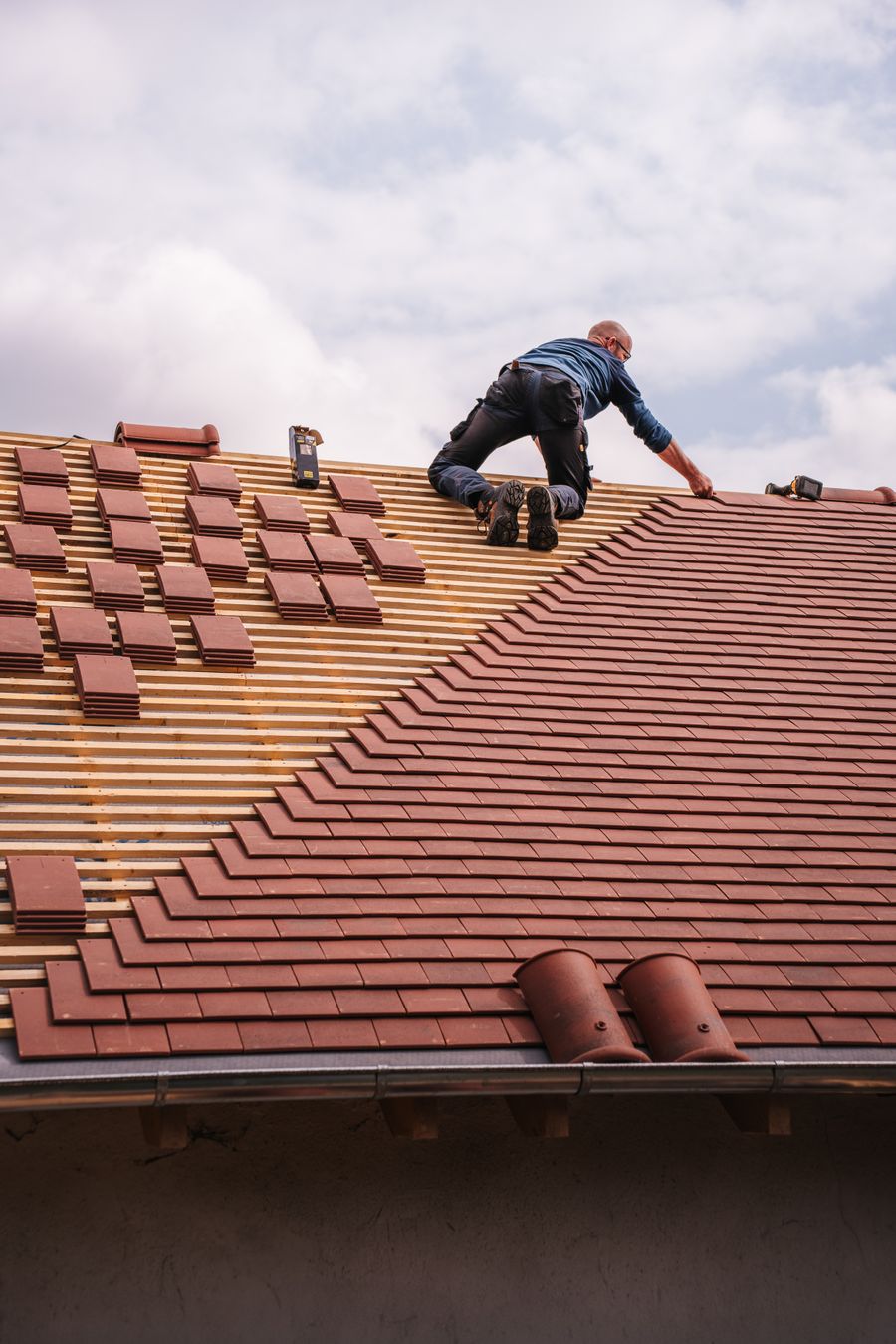
Fire Zone 2 Rules, Quoted Not Summarised
The modern rulebook those rooflines produced — the city’s re-roofing spec, quoted line by line.
Fire Zone 2 Rules, Quoted Not Summarised →Every Berkeley roofer knows the 1991 fire — Oakland shares that one. The fire that belongs to Berkeley alone is older: September 1923, north of the campus, Hearst Avenue to Rose Street. It burned a boundary into the city, and then the rebuilding drew that boundary in stucco and clay tile. A century later, we still read it from the ladder. This is that reading.
A fire started north of the university and ran — from Hearst Avenue north to Rose Street, east of Shattuck, racing down Codornices Creek — through the neighbourhoods above campus before it was stopped short of downtown.
The count depends on whose ledger you open, and we cite both rather than blend them: the National Board of Fire Underwriters’ report, as carried by Berkeley Firewise, puts the loss at 584 buildings; UC Berkeley’s own telling rounds the same afternoon to nearly 600 homes. Among them was the architect Bernard Maybeck’s own house on Buena Vista — the man whose designs defined the district, watching the district burn.
Berkeley in 1923 was a wooden city in the hills’ skirts. The neighbourhoods north of campus were the heart of the First Bay Tradition: house after house in unfinished cedar and redwood shingle, the Brown Shingle style that Maybeck and his circle — Julia Morgan among them — had made the local signature between about 1900 and 1915, all exposed rafters and shingles weathered the colour of the hillsides they stood on. It was beautiful, coherent, and made of kindling. The fire did not create the stucco Berkeley that followed; it conscripted it.
Because the lesson was legible from any rooftop. The Berkeley Architectural Heritage Association’s history puts it simply: after the fire, stucco was more popular than flammable brown shingle in Berkeley. The replacement homes inside the burn band went up in fire-resistant stucco siding with clay tile roofs — Berkeley Firewise’s reconstruction notes the result is still visible, that you can “still find remnants of the boundaries of the fire by looking at the roofs.” The Mediterranean layer a visitor now reads as Elmwood and Claremont charm began, two neighbourhoods north, as a fire code written by experience.
The university wrote its own line in the same ash: after the fire, it bought an entire burned square block — the Oxford Tract, on the Northside — which is why a piece of the burn band is campus today instead of housing. And the shingle city did not vanish; it survived everywhere the fire did not reach. Rose Walk, the Rose Garden terraces, the Arch Street and Le Roy Avenue blocks — dense with 1905–1915 architect-designed shingle houses — stand within a short walk of the stucco streets, which is precisely what makes the boundary readable. Two Berkeley housing eras, separated by one September afternoon, sharing a postal code.
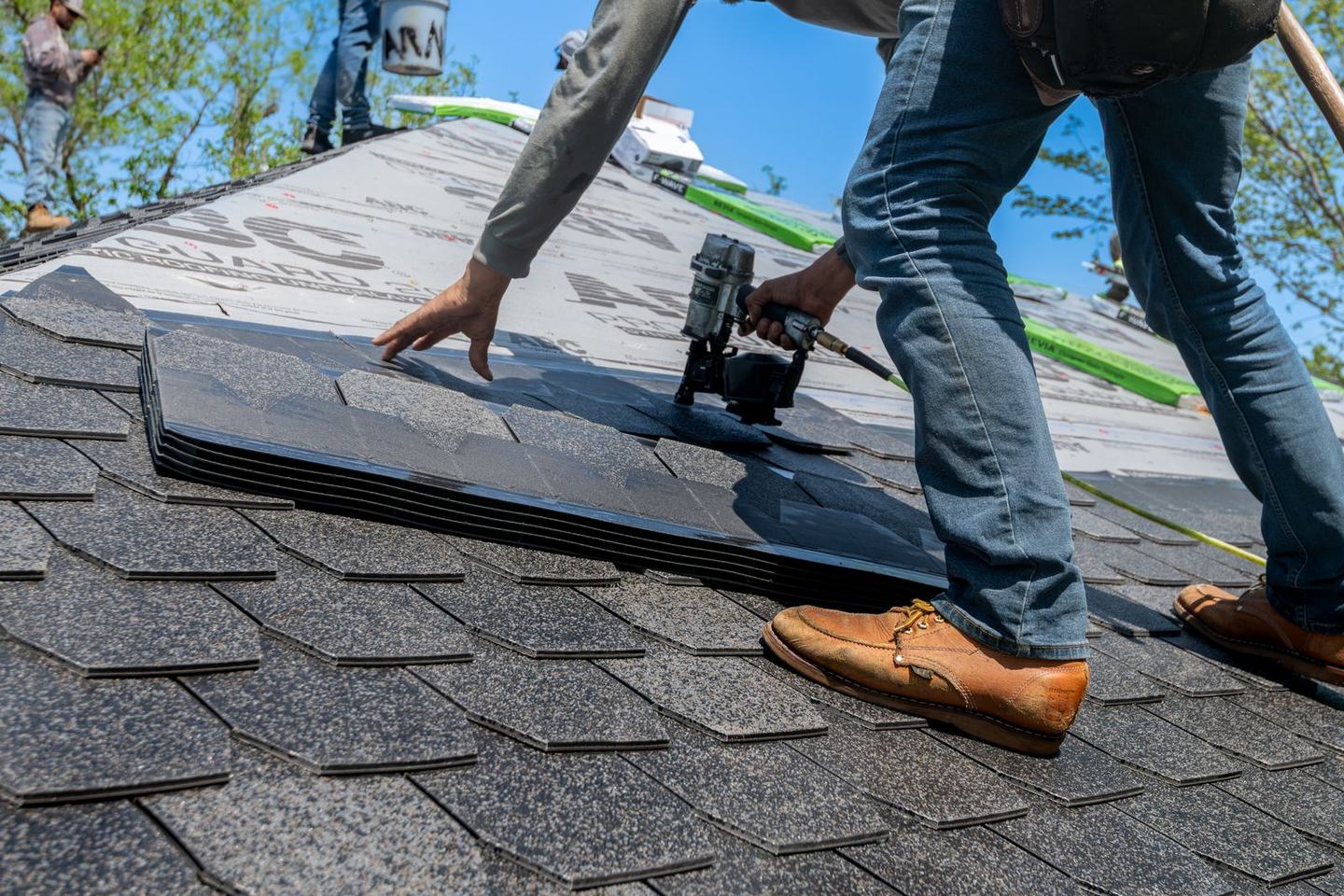
Two roof populations with two different old ages. On the survivor streets, we read a century of patched flashing, original board decking under later coverings, and wood-era details doing work they were never rated for. On the rebuild streets, we read the opposite condition: clay tile with decades of life left in the material and underlayment beneath it that is not immortal — tile systems ask for their felt renewed at twenty to thirty years, a job the trade calls lift-and-relay, tile off, underlayment renewed, tile back. Same afternoon’s grandchildren; entirely different scopes of work.
There is a paperwork layer, too. Berkeley counts 165 designated landmarks and structures of merit, and on designated homes a visible change of roof material or colour can need Landmarks Preservation Commission review before a permit issues. A roofline that is also a historical document gets read twice — once by us, once by the Commission — and the estimate should say so.
And the line is not only history. The rules that govern these streets now — Class A coverings, the shake prohibition, the whole spec — descend from 1991, but the instinct descends from 1923: this city has twice watched its roofs decide a fire’s reach. We lay out the modern document in the Fire Zone 2 rulebook; and when a century-old roofline needs its condition stated rather than guessed at, that is an inspection that reads the eras separately. When the tile streets come due, the work is lift-and-relay and landmark-sensitive replacement, not a tear-off with a brochure.
The careful answer is two attributed numbers. The National Board of Fire Underwriters’ report, as carried by Berkeley Firewise, counts 584 buildings. UC Berkeley’s accounts describe nearly 600 homes. The figures are close enough to describe the same afternoon and different enough that blending them into one unlabelled number would be sloppy — so on this site you will always see the count with its source attached, here and everywhere else.
There are clues, not certainties. A stucco-walled, tile-roofed house standing inside the burn band — north of campus, between Hearst and Rose, east of Shattuck — fits the rebuild pattern; a shingled house on the same streets likely predates the fire or stands outside the boundary the flames actually took. Deeds, permit history, and the house’s own fabric settle it better than its silhouette. Treat the roofline as the question, not the answer — and expect any roofer working those blocks to know which population your house belongs to before quoting.
Not by the calendar. The City’s prohibition on wood shake and shingle coverings applies inside Fire Zone 2, at the point of re-roofing; the 1923 burn band north of campus is largely flatland North Berkeley, outside that zone, where an existing shake roof can serve out its life. What a century-old shingle roof does need is honest reading — its flashing, its decking, its remaining years — because when it does come due, the replacement conversation includes re-sheathing and a century of accumulated patches, not just new shingles.
The modern rulebook those rooflines produced — the city’s re-roofing spec, quoted line by line.
Fire Zone 2 Rules, Quoted Not Summarised →
The newest chapter of the same story: Berkeley’s own Zone 0 law and the five feet it governs.
EMBER & Zone 0: The Five-Foot Law →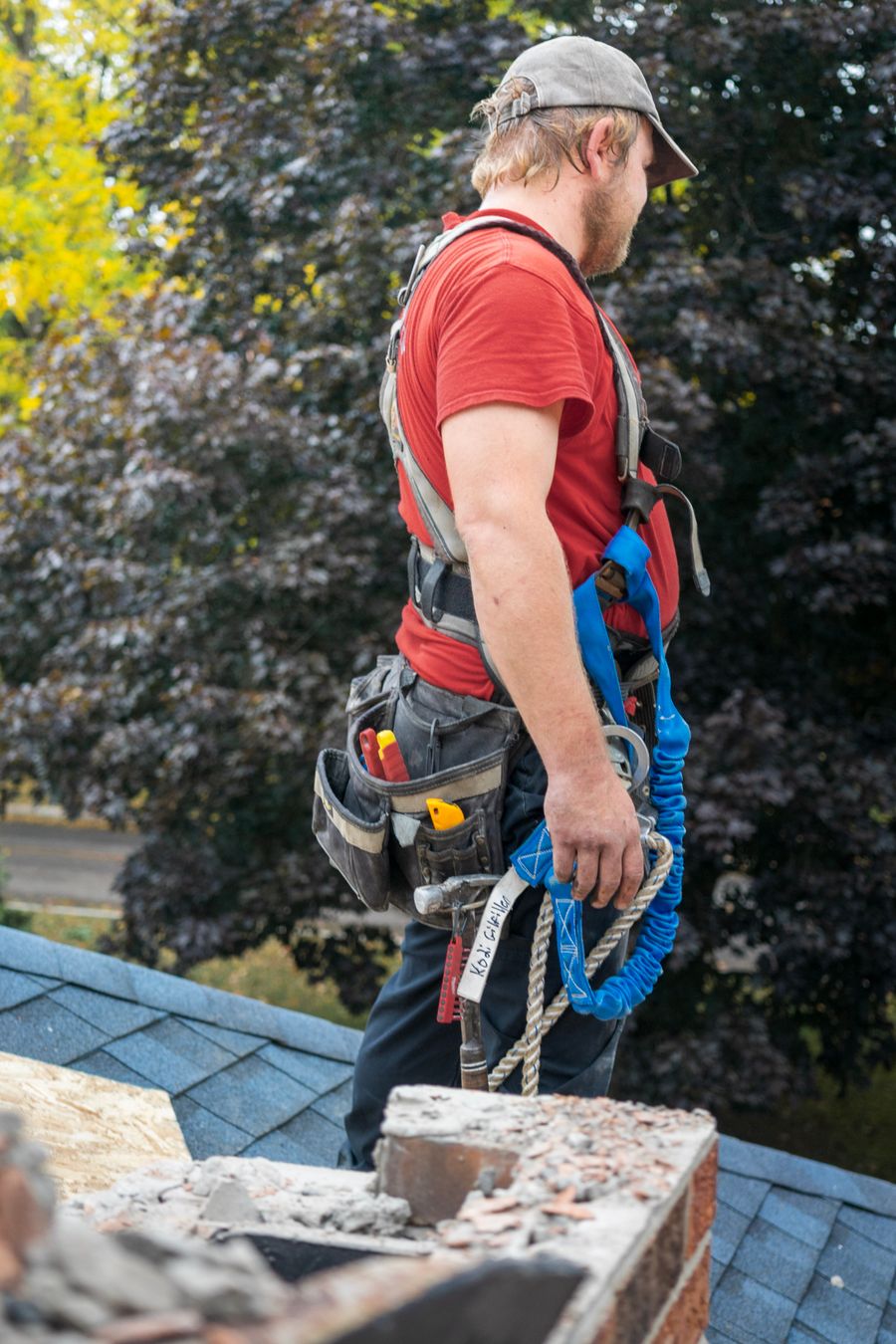
An inspection that separates the eras — survivor stock, post-fire rebuilds, and what each is actually due for.
Roof Inspection in Berkeley →If your house stands anywhere near the old burn line — or if you have simply never been told which era of Berkeley your roof belongs to — call us. We will climb up, read the roofline with you, and put its condition and its history in one written report.