Sellers before listing
Replace ‘age unknown’ with documented. Our transaction report goes into the disclosure file beside the fire-zone disclosure, and the roof stops being the surprise that reopens negotiations.
A roof inspection Berkeley file has more readers than it used to. The same roof now gets read by you, by an insurer deciding whether your hillside policy renews, by a buyer’s inspector during a sale, and by a tenant who just wants the drip to stop. So we do not sell one generic look at your roof. We write the report your reader needs — photographed, dated, and plain about what is urgent, what is ageing, and what is fine.
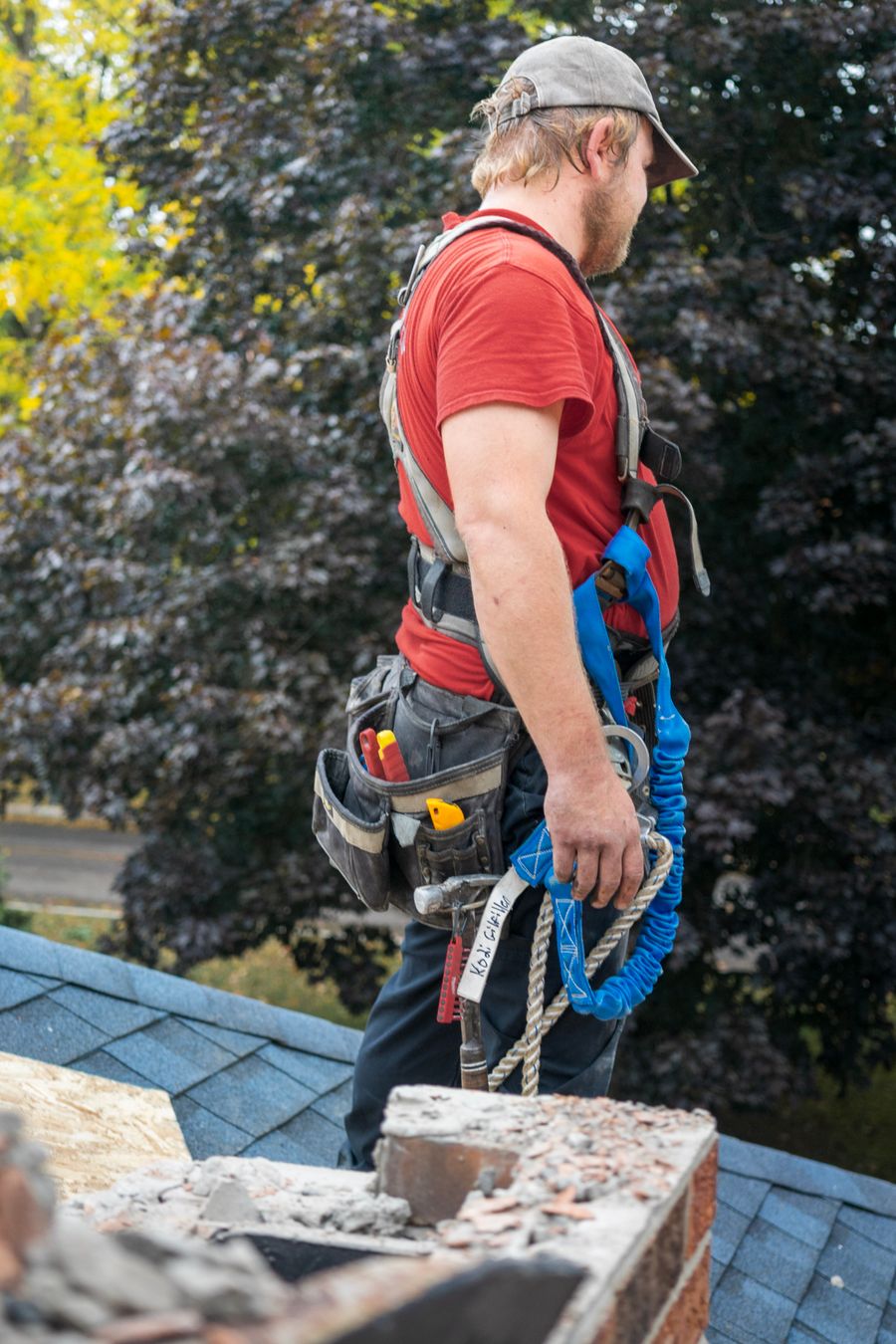
Because the questions are different. We write roof inspection Berkeley reports in three kinds, because Berkeley roofs get read by three kinds of people — and a report that answers the wrong reader’s question is just expensive paper.
The insurer-ready report is built for the hills. It records condition, materials, and Class A status, and it carries a mitigation checklist mapped to the twelve Safer-from-Wildfires measures in the state rule (10 CCR §2644.9) — the measures a wildfire-rating insurer must recognise, alongside your right to see your property’s risk score and how to lower it, and to appeal it. It is the working half of the full documentation pack when a non-renewal letter has already arrived.
The transaction report is written for the disclosure file. Berkeley sellers disclose under the Transfer Disclosure Statement and the Natural Hazard Disclosure — fire-zone status included — and roof condition is among the first things a buyer’s side reads. Our transaction report states condition, remaining life, and known defects in language a disclosure file can carry without embarrassment.
The landlord report assumes the reader has never stood under the roof. In a city where most households rent, owners manage from across town or across the country: the report is a photo log, a remaining-life read, and a prioritised repair list, written to be forwarded — to a partner, a manager, a file. Most findings end in small, targeted repairs; the report prices the priorities so you can sequence them.
Every report also carries an EMBER-readiness pre-check for hills homes: the roof-and-gutter debris, vent mesh, and Zone 0 items Berkeley’s own ordinance cares about, flagged before the Fire Department’s inspector finds them. With roughly 1,400 homes in the very-high-risk area and the Department’s inspections already past 600, that pre-check is not a garnish — it is half the reason hills owners call.
In the Rose Garden and Rose Walk blocks, an inspection reads history. Those streets sit inside the 1923 burn band — Hearst Avenue to Rose Street, east of Shattuck — so one block holds pre-fire survivors and post-fire stucco-and-tile rebuilds side by side. The findings differ by era: patched century-old flashing on one house, dead underlayment under sound tile on the next. The report names which house you have.
Along the Tilden edge and the Lawrence Hall of Science corridor, the inspection adds a second read: fire readiness. The institutions above those homes get evacuated when the ridge burns — the 2017 Grizzly Peak fire emptied the Hall — so the report weighs ember paths, vent condition, and gutter debris alongside the waterproofing, because on those streets the two risks share a roof.
Around campus, on the Southside and Northside rental blocks, the inspection is a landlord’s instrument: in the 94704 ZIP only about twelve percent of households own their homes. The reader is an owner who will never climb this roof, and the report is written to be believed at a distance — dated photographs, measurements, and a repair sequence with prices attached.
And along the Hayward Fault trace, which runs through the campus itself and is visibly offsetting Memorial Stadium, homeowners ask us a fair question: does slow ground creep work on flashing and joints between inspections? We will not dress a guess up as a finding. What we do is check flashing and joints on fault-trace homes with that question in mind, photograph their condition, and report exactly what we found — so the next inspection has a baseline to compare against.
The best roof inspection Berkeley timing follows the same split year the campus roofers use. UC Berkeley’s own facilities operation runs quick response to roof leaks from mid-October through March, and permanent repairs and replacements from April through September — because that is what the rain allows. Inspections bookend the wet season: one before it, to catch what summer hid; one after it, to grade what winter did.
Most roof inspection Berkeley calls begin with a piece of paper: a non-renewal letter, an insurer’s request for roof photographs nobody has, a disclosure deadline. The roof has not changed; the reading of it has. The City of Berkeley’s own fire-safety commission called the hillside insurance situation a serious and ongoing crisis in April 2026 — insurers paused or stopped writing in the hills, the FAIR Plan absorbed much of the market, and every one of those files asks for roof evidence the homeowner usually does not have on hand.
Sellers feel the same squeeze from the other side. In a multi-offer market, Berkeley disclosure guides warn, roof leaks get cosmetically hidden and unpermitted extra layers surface late — so buyers have learned to distrust a clean-looking roof and ask for documentation instead. A seller who commissions the report before listing controls that conversation; a seller who waits has it during escrow, at escrow prices.
And at transactions, paper gets demanded by name: local realtors routinely ask for a written roof certification of the kind described in Business and Professions Code §7197, and buyers’ lenders ask after it too. Whether the ask is a certification, an insurer’s photo set, or a buyer’s question, the underlying need is identical — a dated, photographed, professional read of the roof that a stranger can rely on. That is the product. The ladder work is just how it gets made.
Replace ‘age unknown’ with documented. Our transaction report goes into the disclosure file beside the fire-zone disclosure, and the roof stops being the surprise that reopens negotiations.
Your inspector flagged the roof and the clock is running. We give you a roofer’s read — what is urgent, what is cosmetic, what it costs — in time for it to matter, in the form a planned replacement can be priced from.
You cannot climb every roof you own, and your tenants should not have to describe flashing over the phone. The landlord report is your eyes: photographs, remaining life, and a priced repair sequence you can approve from anywhere.
Your renewal may hinge on a roof file you do not have yet. The insurer-ready report — condition, Class A status, the state mitigation checklist — is built to be sent, and built before the letter arrives, while there is still time to act on it.
A written report and a dated photo log: the roof’s surface, flashing, valleys, boots and drainage as we found them, its fire-zone status, a remaining-life read, and findings separated into urgent, ageing, and sound. Depending on the report you booked — insurer-ready, transaction, or landlord — it is formatted for that reader, down to the mitigation checklist an insurer works from.
Yes — that is what the insurer-ready report is for. It documents condition, materials, and Class A status, and maps your roof against the twelve Safer-from-Wildfires measures (10 CCR §2644.9) that a wildfire-rating insurer must recognise. The same state rule gives you the right to see your property’s risk score, learn how to lower it, and appeal it; our report is written to be the evidence in that conversation.
Buyers, sellers, and lenders often ask for a written certification of the roof’s condition and leak status — the kind described in Business and Professions Code §7197 — and it is a fair thing to ask for. Our transaction report covers the same ground with photographs behind every statement. If your transaction needs a formal certification letter, tell us before the visit so we scope the inspection to it.
Twice, ideally: September–October, before the rain, when findings can still become dry-season repairs — and April–May, after it, when winter’s damage is readable and the permanent-work season is open. UC Berkeley’s own roofing operation splits the year the same way, answering leaks from mid-October through March and doing permanent work April through September. Mid-storm bookings are for leaks, not check-ups.
Yes — it is part of every hills inspection. We check your parcel against the city’s Fire Zone 2 (the Combined Hillside District plus the state’s Very High zone) and note where the state’s redrawn 2025 maps put you, because the permit office and your insurer read different maps. For homes in the EMBER area we add the Zone 0 pre-check: roof and gutter debris, vent mesh, and the five-foot zone, flagged before the Fire Department’s inspection finds them.
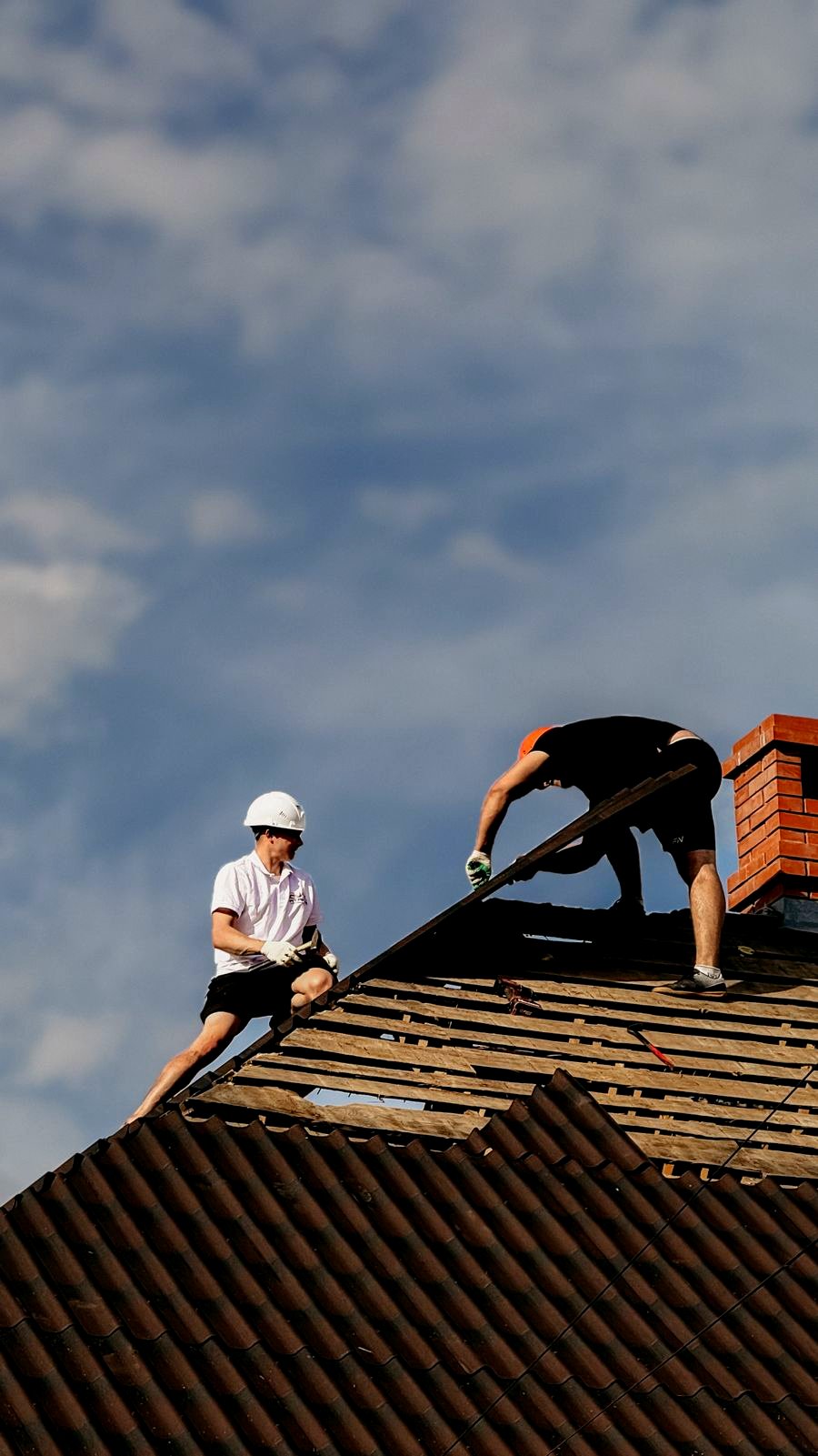
Most inspection findings are small: a boot, a valley, a run of flashing. Priced from published Berkeley ranges and fixed in the dry window.
Roof Repair in Berkeley →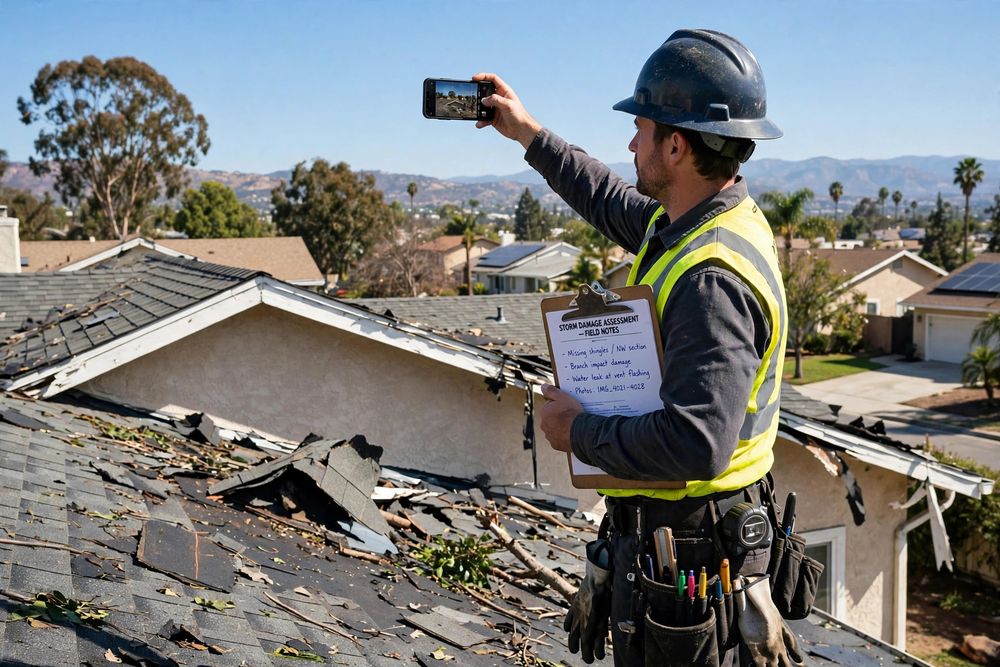
When the reader is an insurer and the clock is a non-renewal letter, the report grows into a full documentation pack with a 75-day workplan.
Roof Insurance Claim in Berkeley →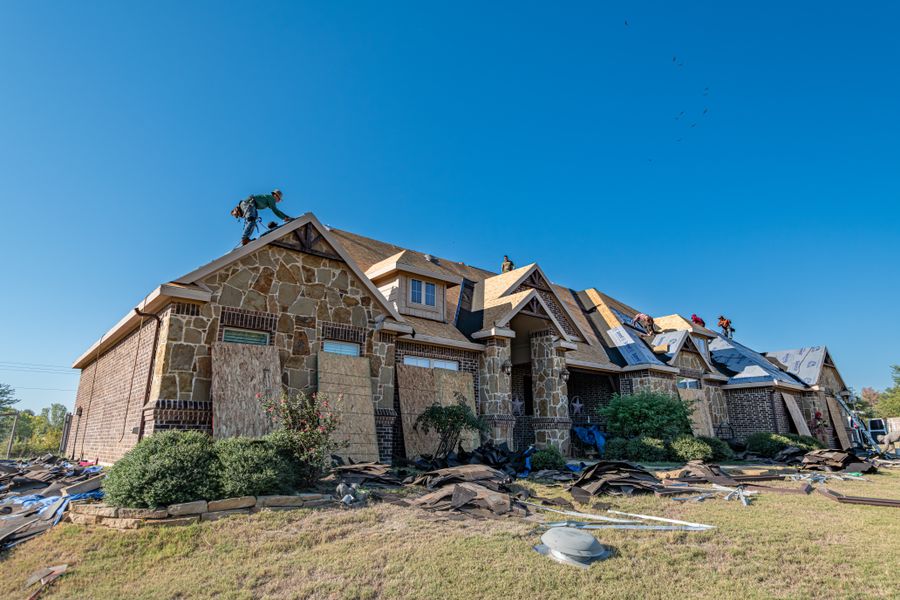
When the honest read is ‘end of life’, the inspection file becomes the replacement estimate — spec sheet, permit clock, and all.
Roof Replacement in Berkeley →Book roof inspection Berkeley work that ends in a file, not a shrug: dated photographs, a plain read on what is urgent, and the report your insurer, buyer, or tenant file actually needs. Call us — we will climb up and read it properly.