
Roof Repair Berkeley
Leaks traced to the source — flashing, valleys, pipe boots, split seams — then fixed and photographed.
Roof Repair in Berkeley →Oakland is two roofing countries sharing one city limit. Below the hills, a flatland grid of Victorians, Edwardians, and Craftsman bungalows sits in the fog. Above them, Montclair and the hill neighbourhoods climb into designated wildfire country, where the roof is part of the fire plan. Our roofing Oakland work runs in both — from our Berkeley base just up Highway 13 — with the spec, the photographs, and the number all put in writing before work starts.
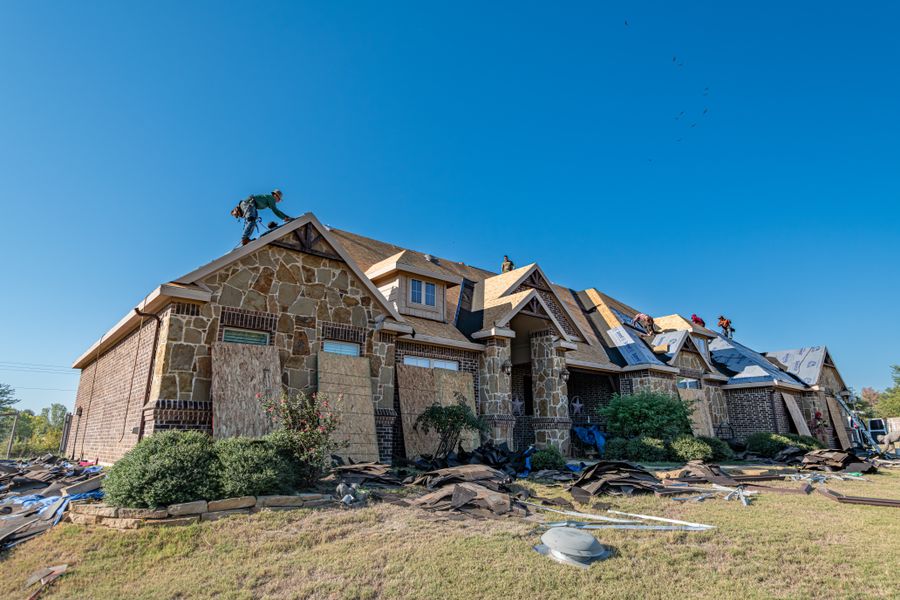
Six core services, plus the insurance documentation the hills now demand — specced for flatland fog or hill fire country, as your address requires.
Leaks traced to the source — flashing, valleys, pipe boots, split seams — then fixed and photographed.
Roof Repair in Berkeley →
Full tear-off and replacement — shingle, tile, metal, or low-slope — permitted, inspected, priced in writing.
Roof Replacement in Berkeley →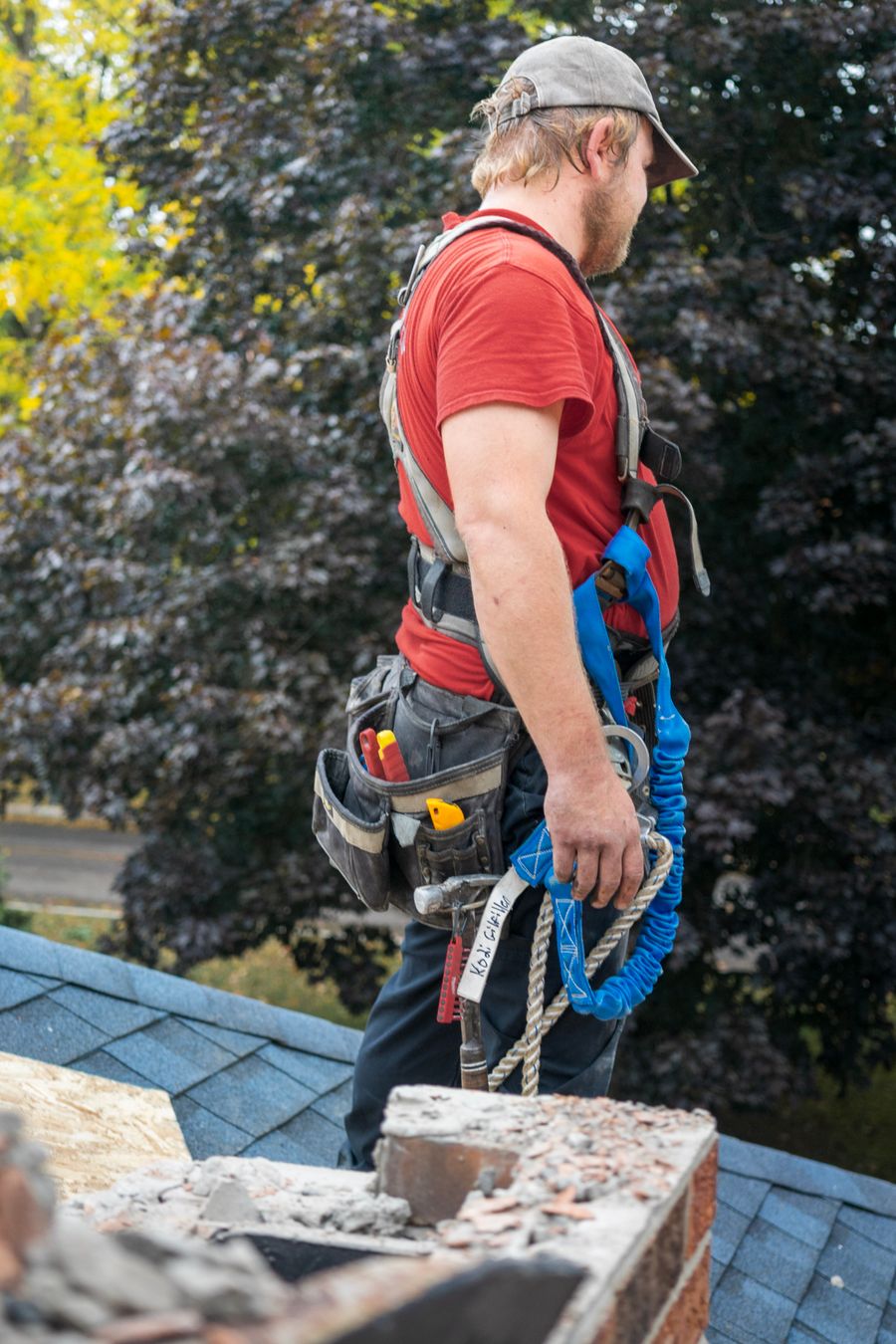
A documented look at the whole roof — surface, flashing, drainage, fire-zone status — and a plain read on what is urgent.
Roof Inspection in Berkeley →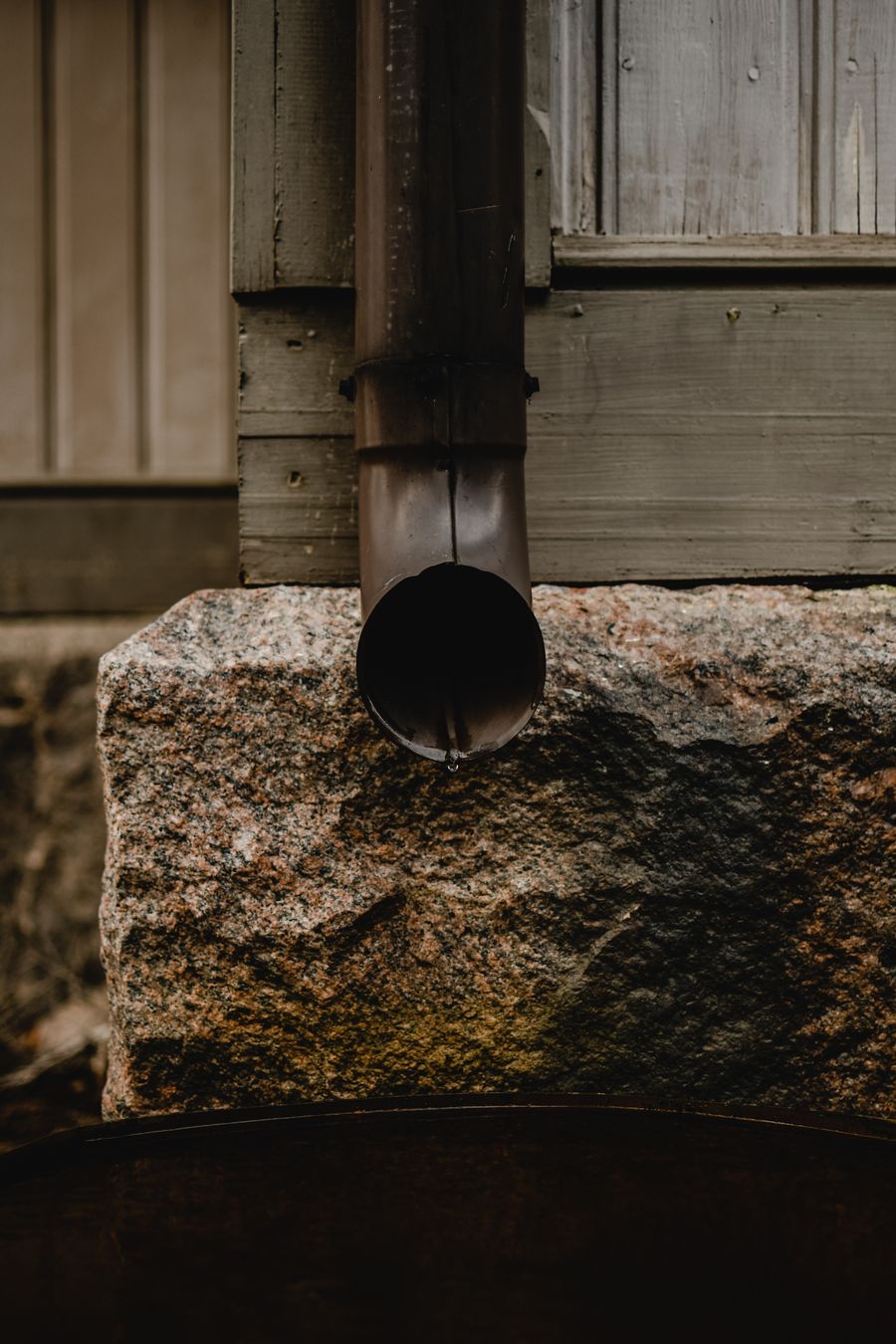
Seamless gutters sized for atmospheric-river rain and oak litter; in Fire Zone 2, noncombustible metal — gutters are part of the fire package.
Gutter Installation in Berkeley →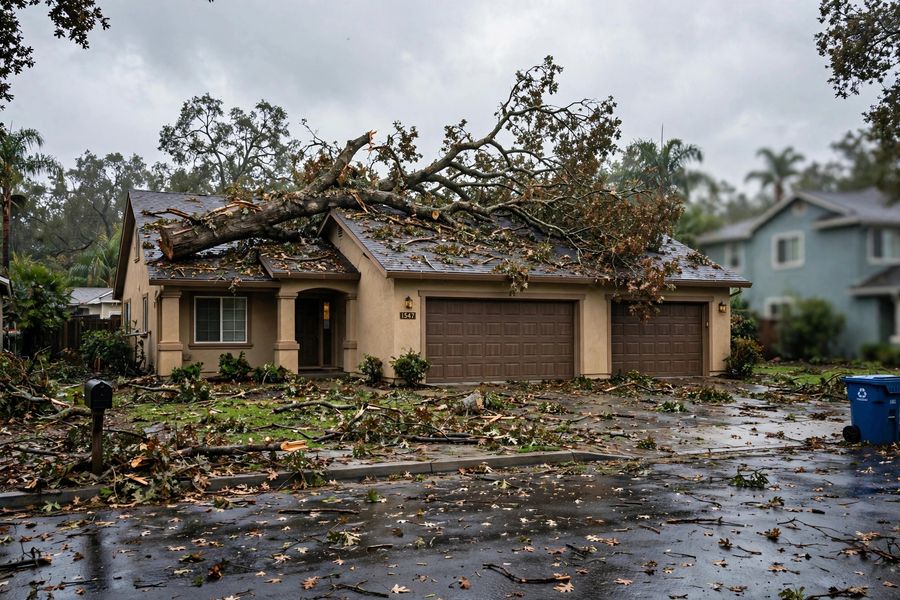
Storm damage here means wind-driven rain, lifted shingle courses, and oak limbs on the deck. We dry in, photograph it all for your insurer, then repair.
Storm Damage Roof Repair in Berkeley →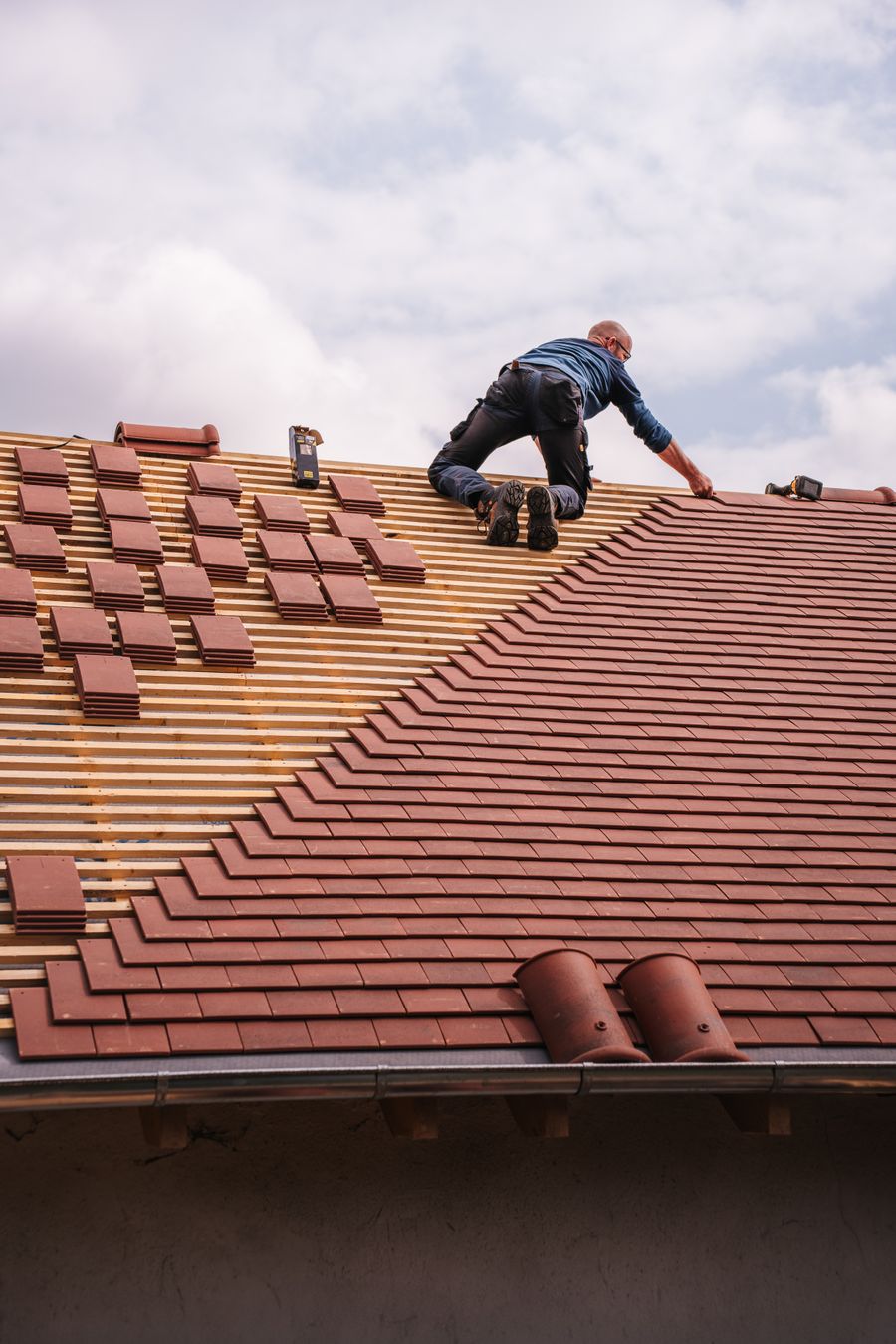
New homes, additions, and ADUs roofed to code — including Chapter 7A assemblies on hillside builds.
New Roof Installation in Berkeley →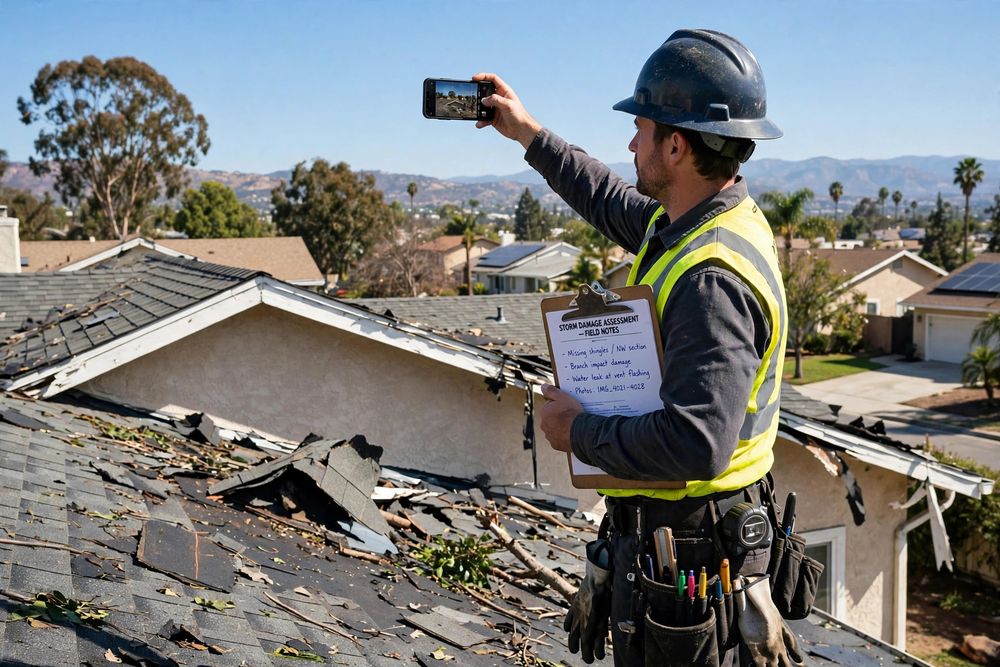
Holding a non-renewal letter, or a FAIR Plan file needing roof documentation? We record condition, materials, and Class A status with photos and a written report.
Roof Insurance Claim Help in Berkeley →Start with scale: Oakland is the largest city we serve, and its housing runs in bands by elevation. The flatlands hold one of California's richest collections of Victorian, Edwardian, and Craftsman homes — West Oakland Victorians, Temescal and Rockridge Craftsmans, 1920s and 30s bungalows through Maxwell Park, the Dimond, and the Laurel, and postwar homes spreading across East Oakland.
Climb, and the architecture changes with the fire map. Montclair, Claremont Heights, Upper Rockridge, and the Joaquin Miller country are hillside neighbourhoods — custom homes, many of them built or rebuilt after 1991, standing on steep lots above roughly the 400-foot contour. Their roofs are specified by wildfire exposure first and by taste second.
Between the bands sit the neighbourhoods Berkeley people know best: Rockridge and Claremont along the Berkeley line, and Grand Lake and Crocker Highlands around Lake Merritt — early-1900s homes whose roofs are now deep into their second and third lives, with all the flashing archaeology that implies.
In the hills, the enemy list starts with fire. Much of the Oakland hills is mapped by the state as Very High Fire Hazard Severity Zone, and in 2025 the city widened its own very-high zone to cover the whole mapped wildland-urban interface. On those parcels a re-roof is a Chapter 7A conversation: Class A assemblies, ember-resistant vents, enclosed eaves — and an insurance file that increasingly asks for proof of all three. The October 1991 Tunnel Fire is why: it started in these hills above the Caldecott Tunnel, took 25 lives, and destroyed more than 3,000 homes across the Oakland–Berkeley hills.
Down low, the enemy is water and time. The high hills can hold fog until noon, and the flatlands' shaded north slopes stay damp through the wet season — moss, tired flashing, and low-slope additions that pond. Period homes add their own entries: a century of layered repairs at chimneys and valleys, and original trim details that punish a careless tear-off.
Oakland sales already run on paperwork — a sewer lateral compliance certificate is part of closing here, and state law adds defensible-space documentation for homes in the High and Very High fire zones. A roof file — dated photos, materials, fire rating — belongs in the same packet. We build it as a matter of course on hills work.
Oakland is Berkeley's southern neighbour, and our base at 205 University Ave sits one highway run from the hill neighbourhoods — up Highway 13 into Montclair, or across the flatlands to Rockridge and the Lake. The Berkeley half of our trade — fire-zone specifications, period-home flashing, documented inspections — is exactly the skill set Oakland's two halves ask for.
Permits run through Oakland's planning and building department, and on designated or otherwise significant period properties we check whether preservation review applies before visible materials change. The routine stays the same as at home: inspect, photograph, scope in writing, then work.
One city, dozens of districts — the five bands below are how a roofer actually reads the map.
The fire-zone heart of Oakland: steep lots, custom homes, post-1991 rebuilds. Class A assemblies, ember-resistant vents, and access priced honestly for narrow hill roads.
Craftsman and period homes along College Avenue, hard on the Berkeley line. A century of flashing details, mossy north slopes, and roofs deep into their second and third lives.
Early-1900s homes around Lake Merritt — larger period houses whose tile, shingle, and low-slope sections often meet on a single roof.
1920s and 30s bungalows on the flatland grid. Valley and chimney leaks, addition junctions, and honest small repairs are the standing orders here.
Early-1900s bungalows and stucco homes, with postwar blocks spreading east. Low-slope sections pond, shaded slopes grow moss, and written scopes keep landlords and families on the same page.
The check we ask Oakland homeowners to run on any bid, ours included, is the Berkeley-area envelope below: published contractor ranges for the same East Bay housing stock and labour market. Roofing Oakland quotes that land far outside these brackets deserve a question before they deserve a signature:
| Job | Published range | Source |
|---|---|---|
| Small repairs — leaks, boots, flashing | $300 – $800 | Berkeley-area contractor-published ranges |
| Larger repairs — valleys, decking, sections | $1,000 – $3,500 | Berkeley-area contractor-published ranges |
| Asphalt shingle replacement, typical home | $13,000 – $30,000 | Berkeley-area contractor cost guides |
| Hillside & premium-material homes | $35,000 and up | Berkeley-area contractor cost guides |
Hill access and fire-zone specification are the two forces that move Oakland jobs inside — and sometimes past — these brackets: staging on a steep Montclair lot is real work, and Chapter 7A materials are not optional on mapped parcels. Your number is measured off your own roof, in writing.
It depends on the parcel, and the answer is checkable: the state fire marshal's maps draw the Very High zone across much of the Oakland hills, and in 2025 the city widened its own very-high zone to cover its entire mapped wildland-urban interface. Give us your address and we will check it against the maps before we spec anything — a hills re-roof should never be quoted blind on this point.
Materials and details, prescribed by Chapter 7A of the state building code: a Class A roof assembly, ignition-resistant construction at eaves and edges, and ember-resistant vents. It also changes the paperwork: insurers rating by wildfire risk have to recognise documented mitigation, and a roof file with dated photos and assembly evidence is how you hold up your side of that exchange.
More than they used to. A sewer lateral compliance certificate is already part of closing a sale in Oakland, and state law adds defensible-space documentation when a home sits in a High or Very High fire zone. Sellers in the hills increasingly hand buyers a roof file — condition, materials, fire rating — alongside the rest. We prepare exactly that file.
Usually, with one extra step: Oakland has designated roughly 140 individual landmarks since 1973, and visible material changes on significant properties can need preservation review before work starts. We check the property's status first, match profiles where the review requires it, and tell you the timeline honestly.
The same marine layer that fogs the hills pours over the flats, and shaded north-facing slopes can stay damp for weeks in the wet season. Moss lifts shingle edges and traps moisture against the roof. We clear it, inspect what it was hiding, and spec algae-resistant shingles when the slope is re-roofed.
Whether your roof is a Rockridge Craftsman or a Montclair hillside, start roofing Oakland the verifiable way — photographs first, a written scope, and a number you can check against published ranges. Call us and we will come look.