Hills owners facing non-renewal
Your deadline is printed in a letter. We spec the Class A assembly the city requires, build the EMBER measures into the same contract, and deliver the documentation packet your broker needs before the clock runs out.
A roof replacement Berkeley permit will actually approve starts with the city’s spec sheet, not a shingle brochure. In Fire Zone 2 the assembly is prescribed — Class A, no wood shakes, fire-stopped voids, spark arrestors — and across the rest of town the variables are access, layers, and landmarks. We price the whole job in writing, pull the permit, and hand you a documentation file your insurer can use. Here is how a Berkeley re-roof really runs.
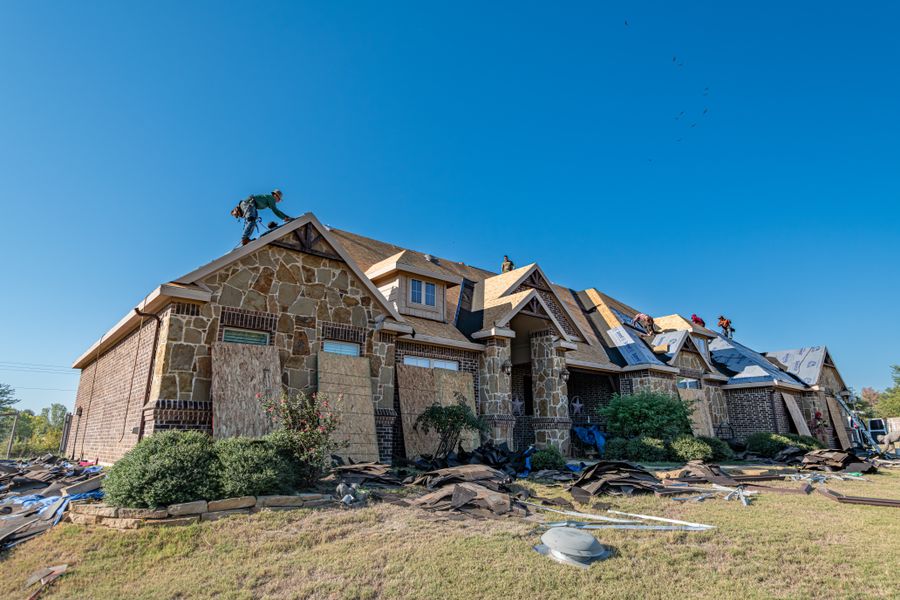
Most contractors will tell you the hills require a Class A roof. The City of Berkeley’s Building and Safety guideline says considerably more, and since it governs your permit, we publish it: in Fire Zone 2 — the Combined Hillside District plus the areas CAL FIRE maps as Very High Fire Hazard Severity Zone — roofs shall be a Class A minimum, installed to their listing. Wooden shakes and shingles are prohibited as roof coverings regardless of the assembly rating underneath them. Roof-profile voids must be fire-stopped against flame and ember intrusion. Valley flashing runs a minimum of 0.019-inch, #26-gauge, galvanised steel. And whenever a home in the zone is re-roofed, solid-fuel chimneys get spark arrestors.
On landmark streets there is a second reviewer in the room. Berkeley counts 165 designated landmarks and structures of merit, and visible changes to roof material or colour on a designated home can need Landmarks Preservation Commission review before a permit issues — in Elmwood, the Commission may require a site visit first. We flag review exposure at the estimate, not after the application is filed.
Then there is the layer the permit office never sees: Berkeley’s own EMBER ordinance, the city’s Zone 0 law in effect since January 1, 2026, covering roughly 1,400 homes in the very-high-risk areas around Panoramic Hill, Grizzly Peak, and Tilden. The Berkeley Fire Department has already inspected more than 600 of those homes. A re-roof is the one moment when the roof, the gutters, and the vents are all open at once — so we spec EMBER’s measures into the same contract and document them together — every roof replacement Berkeley job in the zone then hands you two things: the assembly on the house, and the insurance documentation work in a single file.
Inspection and photographs
We walk the whole roof and the attic side where it is reachable: surface, flashing, drainage, decking, layers. When the honest answer is still a repair, we say so — honest repair is a service we sell, not a competitor we hide.
Written estimate, access priced
One number in writing, with the Berkeley variables priced where they belong: stairs and switchbacks, tear-off layers, tile handling, landmark review time. Nothing discovered at tear-off that a ladder and a tape measure could have found in week one.
Permit and, where needed, landmark review
The application runs through the Permit Service Center at 1947 Center Street. If your home is designated, we sequence the Landmarks Preservation Commission step before the permit clock starts, so the two-to-four weeks contractors estimate for review is planned, not suffered.
Tear-off and the new assembly
Old roof off, deck inspected and repaired, then the new assembly — Class A where the zone requires it, ember-resistant vents, noncombustible gutters in the fire package, spark arrestors fitted. November through March, we sequence tear-offs around the rain.
Final inspection and your file
City final sign-off, a magnet sweep of the yard, and your documentation packet: photographs, materials, Class A evidence, and permit records — the file your broker sends your insurer.
Start at the top of the hill. Panoramic Hill is a National Register Historic District of 1900–1940 homes — Maybeck, Coxhead, Julia Morgan — sitting in the city’s highest fire-hazard geography, inside the EMBER area, on a one-lane street too narrow for a full-size fire truck. Every replacement there is three jobs at once: a fire-spec job, a landmarks-sensitivity job, and a debris-logistics job. It is the purest version of Berkeley replacement work, and it is planned accordingly.
Just north, the post-1991 rebuild belt above Grizzly Peak Boulevard carries a date on it. Those homes went up fast after the firestorm, and their roofs are now past thirty years old — a replacement wave arriving on schedule. If your house is a 1990s rebuild on its original roof, you are not early or unlucky; you are in the cohort.
In La Loma Park, where Maybeck developed thirteen of the district’s designated homes, the work is different again: tile and slate with decades of life in the material and twenty to thirty years in the underlayment beneath it. There, replacement often means lift-and-relay — the tile comes off, the underlayment is renewed, the tile goes back — rather than a new roof in a new material. And in the Claremont district, the streets above the old hotel sit on the Berkeley side of the 1991 battle line: the fire was held at Alvarado and Vicente Roads, blocks above the Claremont Hotel, and the homes around that line are why replacement specs here are written the way they are. It starts, as it should, with a documented inspection of what is actually up there.
Roof replacement Berkeley pricing is published by Berkeley contractors and cost guides themselves — here are the ranges, with their sources, to sanity-check any bid against. They describe different slices of the same envelope, which is why they overlap:
| Job | Published range | Source |
|---|---|---|
| Asphalt shingle, typical 1,600–2,200 sq ft roof | $13,000 – $21,000 | East Bay Roofers, Berkeley cost guide |
| Roof installation overall — Berkeley model average about $17,474 | $13,191 – $26,702 | HomeYou, Berkeley cost breakdown |
| Typical 2,000 sq ft home, mid-grade architectural asphalt | $17,500 – $30,000 | Berkeley cost-guide site |
| Berkeley Hills and premium materials (metal, tile) | $35,000 – $55,000 | Berkeley cost-guide site |
Tear-off and removal alone runs $2,407–$6,381 in the HomeYou Berkeley model, before access on a hillside lot is priced. No Berkeley-specific Angi average exists to quote, so we do not quote one. Your number comes from your roof, in writing.
The hardest roof replacement Berkeley calls we take begin with a letter, not a leak. One Berkeley homeowner, writing on HomeAdvisor, described racing an insurance non-renewal and a wildfire-zone deadline into a replacement — completed, in their telling, despite the rainy season and busy roofers. That collision is the defining stress of this market: a dated insurance deadline, a winter calendar, and a trade that is booked out. Our answer is to plan the job backwards from the deadline and say out loud, at the estimate, which parts of the sequence are weather-hostage.
The second derailment is the permit timeline nobody mentioned. Berkeley’s City Auditor audited the Permit Service Center back in 2014, and the follow-up was still being tracked in a City Council update in October 2019, with customer wait-time findings unresolved for years. Layer a landmark review on top — contractors estimate it adds two to four weeks — and a homeowner who budgeted a fortnight discovers a season. We put the permit and review clocks in the written estimate, as line items with dates, so the schedule you plan your life around is the real one.
And then there is the carry. A Berkeley homeowner on the Parents Network counted it precisely: 36 stairs, a two-storey house, three layers of old roofing to bring down and new material to bring up. East Bay hillside tear-offs mean staging on a slope and hauling debris down switchbacks. A bid that treats your lot like a flat suburban driveway is not a bargain; it is a change order waiting for its moment.
Your deadline is printed in a letter. We spec the Class A assembly the city requires, build the EMBER measures into the same contract, and deliver the documentation packet your broker needs before the clock runs out.
Your 1990s roof did its thirty years. We check what the fast post-fire builds actually have on the deck — and what a modern Chapter 7A assembly changes for your insurance file as much as for your roof.
Panoramic Hill, La Loma, Claremont, Elmwood: your replacement may answer to the Landmarks Preservation Commission as well as the permit desk. We sequence review first and choose materials that respect the house and the district.
A majority of Berkeley households rent, and a reroof between tenancies is the cheapest reroof you will ever buy. We schedule around your vacancy window and leave a documented roof the next tenant, and your insurer, can rely on.
In Fire Zone 2, no — the City of Berkeley prohibits wooden shakes and shingles as roof coverings there regardless of the fire rating of the assembly beneath them. Outside the zone, an existing shake roof can usually stay until it wears out, but most owners convert at re-roof, typically with new sheathing over the original board decking. Either way, the answer for your parcel starts with which fire zone it sits in.
The work itself usually runs a few working days once the permit is in hand; steep hillside lots, tile, and landmark-review homes take longer. The calendar around it is the honest variable: one Berkeley contractor puts typical permit approval at one to two weeks, landmark review can add two to four weeks by contractor estimate, and from November through March tear-offs are sequenced around the rain. We give you the whole clock in writing, not just the days on the roof.
Published Berkeley ranges put a typical asphalt replacement at $13,000–$30,000 depending on size, pitch, layers, and access, with Berkeley Hills homes and premium materials at $35,000 and up. Those are other people’s published ranges, not a quote for your house. Your number comes from an inspection of your roof — its layers, its access, its fire-zone status — and it arrives in writing.
Yes. Roof replacements are permitted through the city’s Permit Service Center at 1947 Center Street, and in Fire Zone 2 that is where the Class A and no-shake rules get enforced. We pull the permit, schedule the city’s inspections, and close them out — and where a home is a designated landmark, we put the Preservation Commission review in front of the permit application, not behind it.
We cannot promise an insurer’s decision — anyone who does is selling you something. What we can do is hand you the file insurers actually ask for: dated photographs, material and Class A evidence, permit records, and a mitigation checklist mapped to the state rule (10 CCR §2644.9) under which wildfire-rating insurers must recognise measures like a Class A roof. Start early: California gives a non-renewed homeowner 75 days to find a replacement policy.
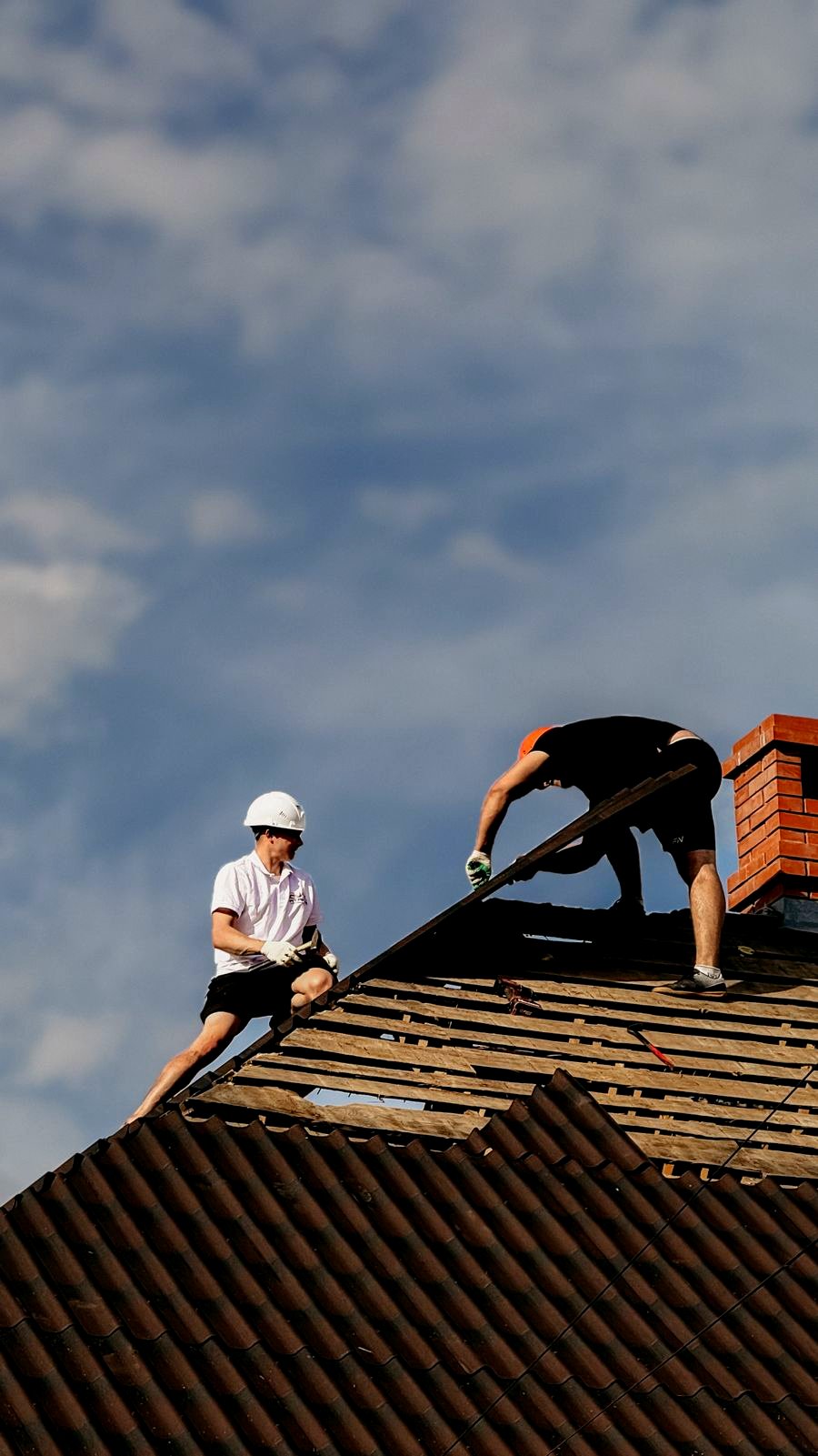
Not every tired roof is finished. Flashing-first diagnosis, the city’s 50-percent repair rule, and published Berkeley prices decide which side of the line yours is on.
Roof Repair in Berkeley →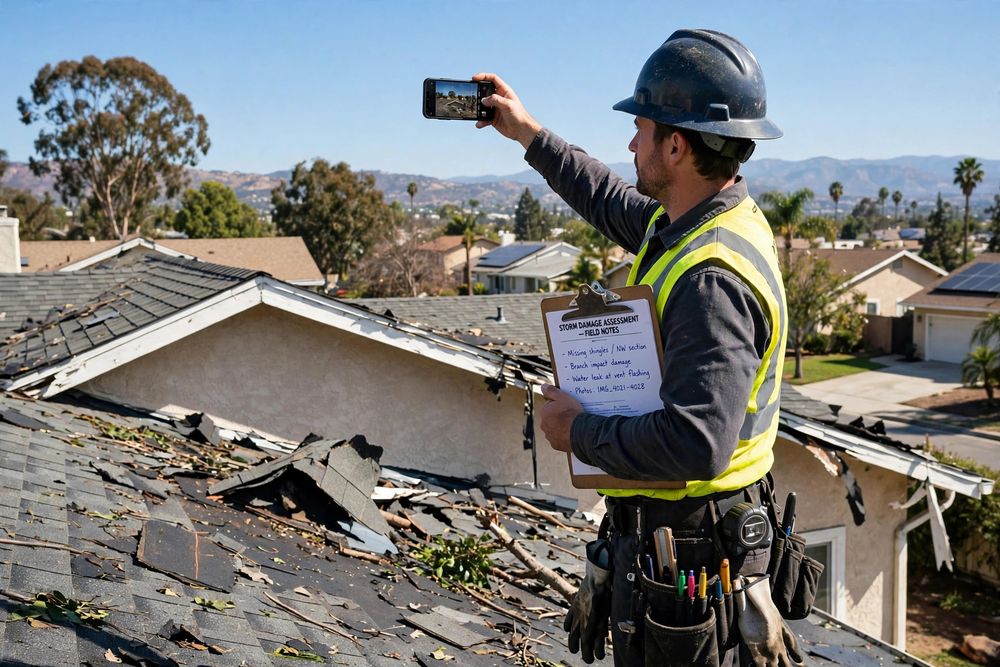
The documentation pack and the 75-day workplan for non-renewal letters and FAIR Plan files — the other half of a hills replacement.
Roof Insurance Claim in Berkeley →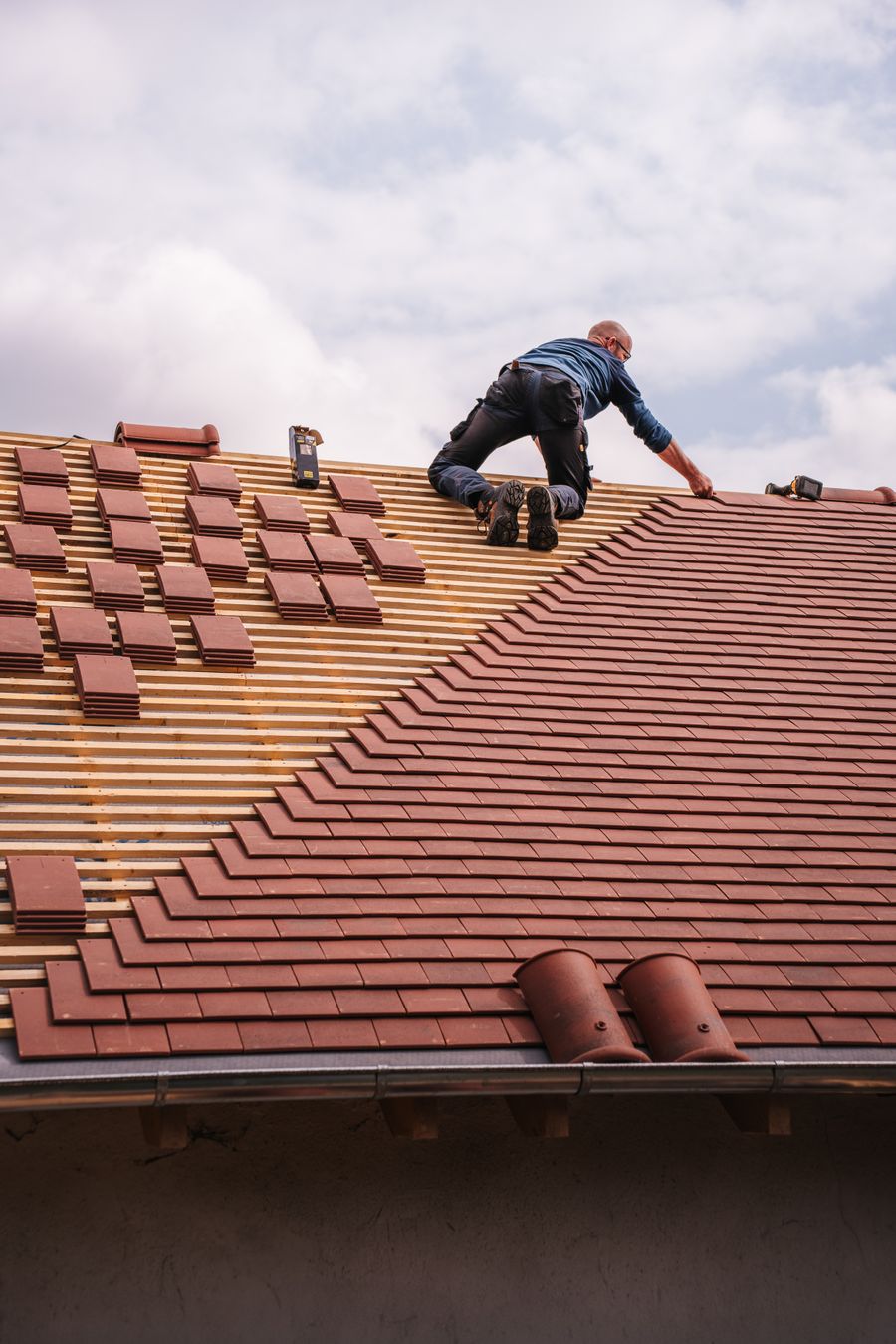
Building new — an ADU, an addition, a hillside lot? Roofs designed with the fire maps and Zone 0 measures in from the first drawing.
New Roof Installation in Berkeley →If your roof is at the end of its life, roof replacement Berkeley work should arrive with the city’s requirements, the permit clock, and the insurance paperwork in one file. Call us — we will climb up, photograph everything, and put the number in writing.