
Roof Repair Berkeley
Leaks traced to the source — flashing, valleys, pipe boots, split seams — then fixed and photographed.
Roof Repair in Berkeley →Our roofing Richmond work runs on history you can see from the street. This is a city the Second World War rebuilt in four years: Kaiser shipyard cottages, a National Register housing village, and Victorians in Point Richmond that predate all of it — under bay fog, salt air, and the same winter storm track we work in Berkeley. We bring Richmond our standard package: climb up, photograph the roof, and put the number in writing.
Six core services, plus the insurance documentation the hills now demand — marine-spec near the water, cottage-simple inland.
Leaks traced to the source — flashing, valleys, pipe boots, split seams — then fixed and photographed.
Roof Repair in Berkeley →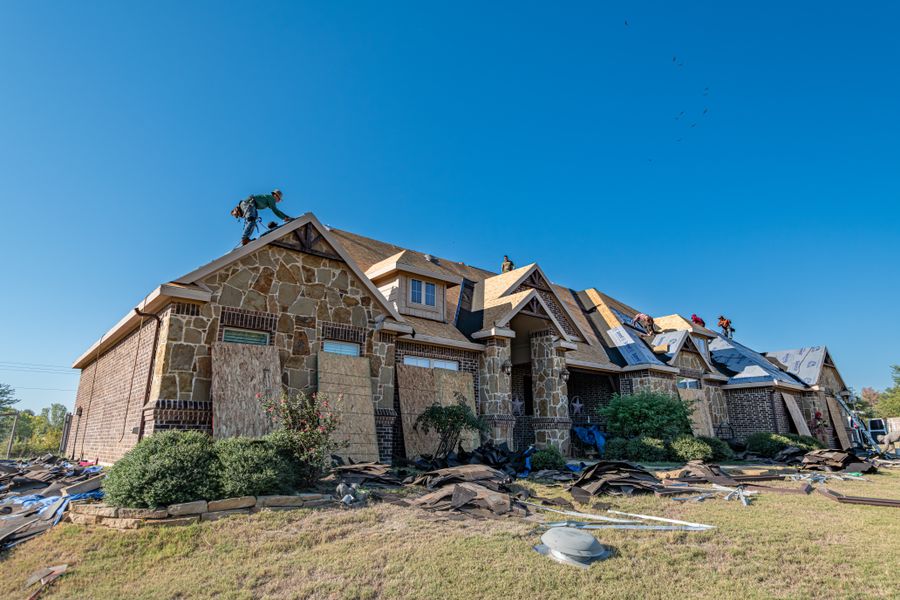
Full tear-off and replacement — shingle, tile, metal, or low-slope — permitted, inspected, priced in writing.
Roof Replacement in Berkeley →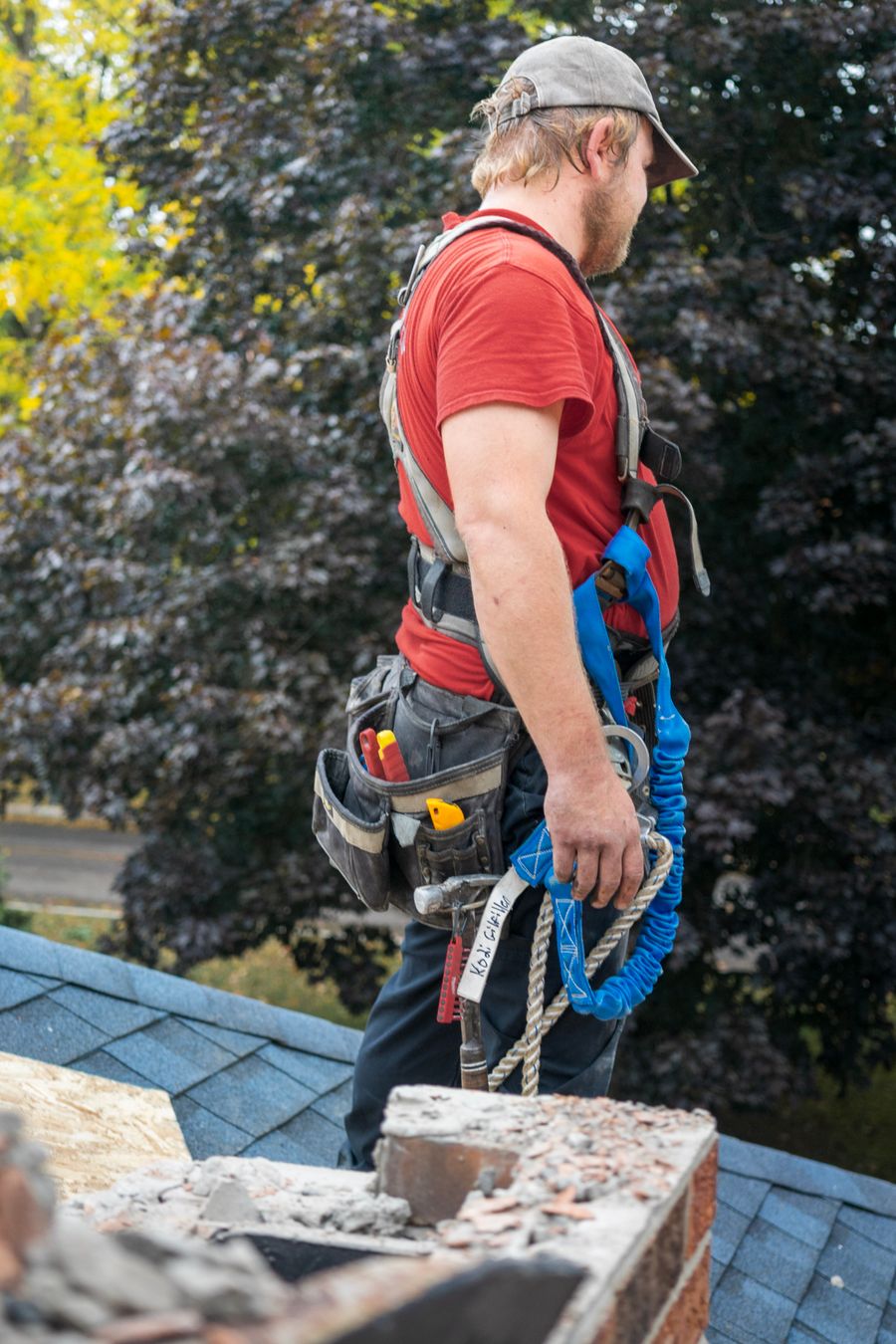
A documented look at the whole roof — surface, flashing, drainage, fire-zone status — and a plain read on what is urgent.
Roof Inspection in Berkeley →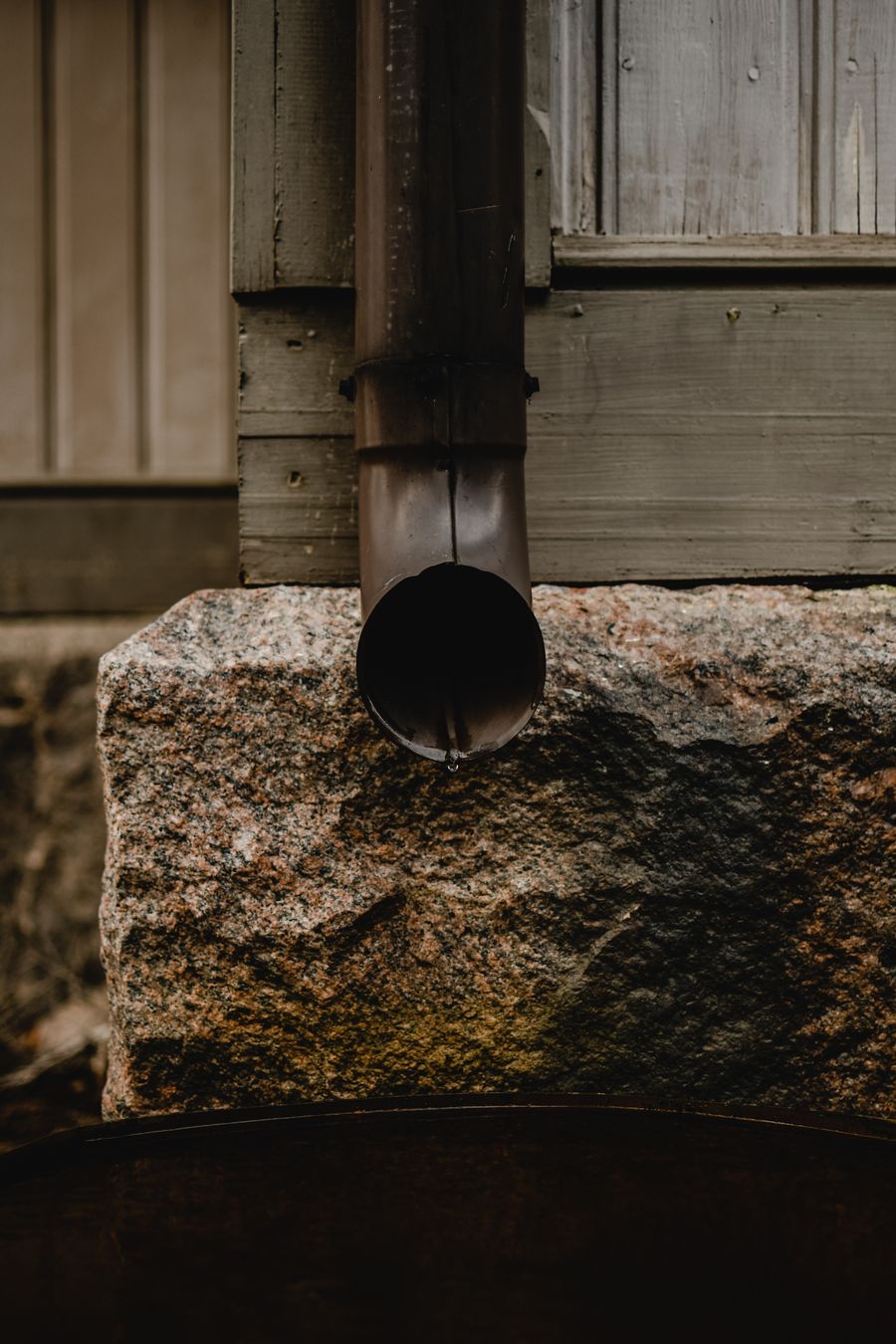
Seamless gutters sized for atmospheric-river rain and oak litter; in Fire Zone 2, noncombustible metal — gutters are part of the fire package.
Gutter Installation in Berkeley →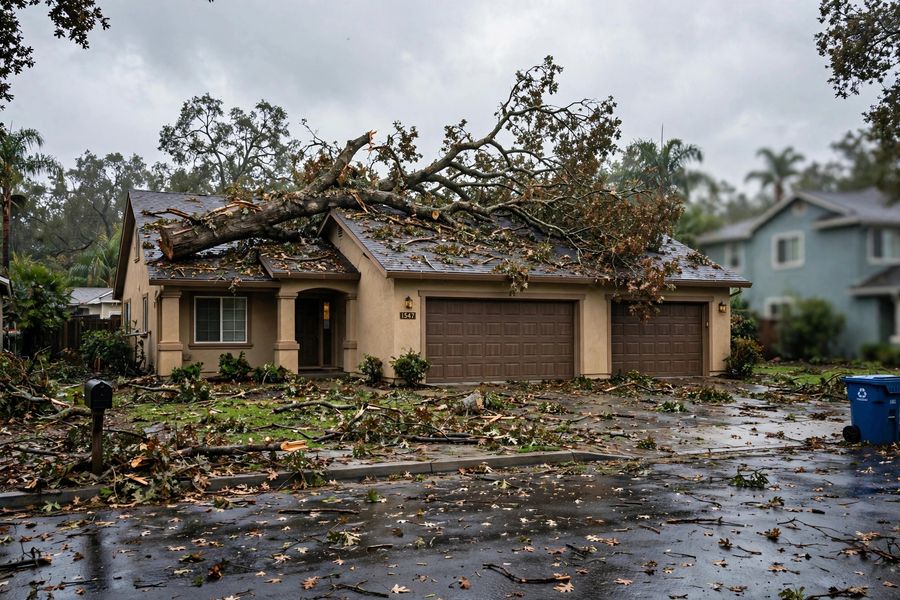
Storm damage here means wind-driven rain, lifted shingle courses, and oak limbs on the deck. We dry in, photograph it all for your insurer, then repair.
Storm Damage Roof Repair in Berkeley →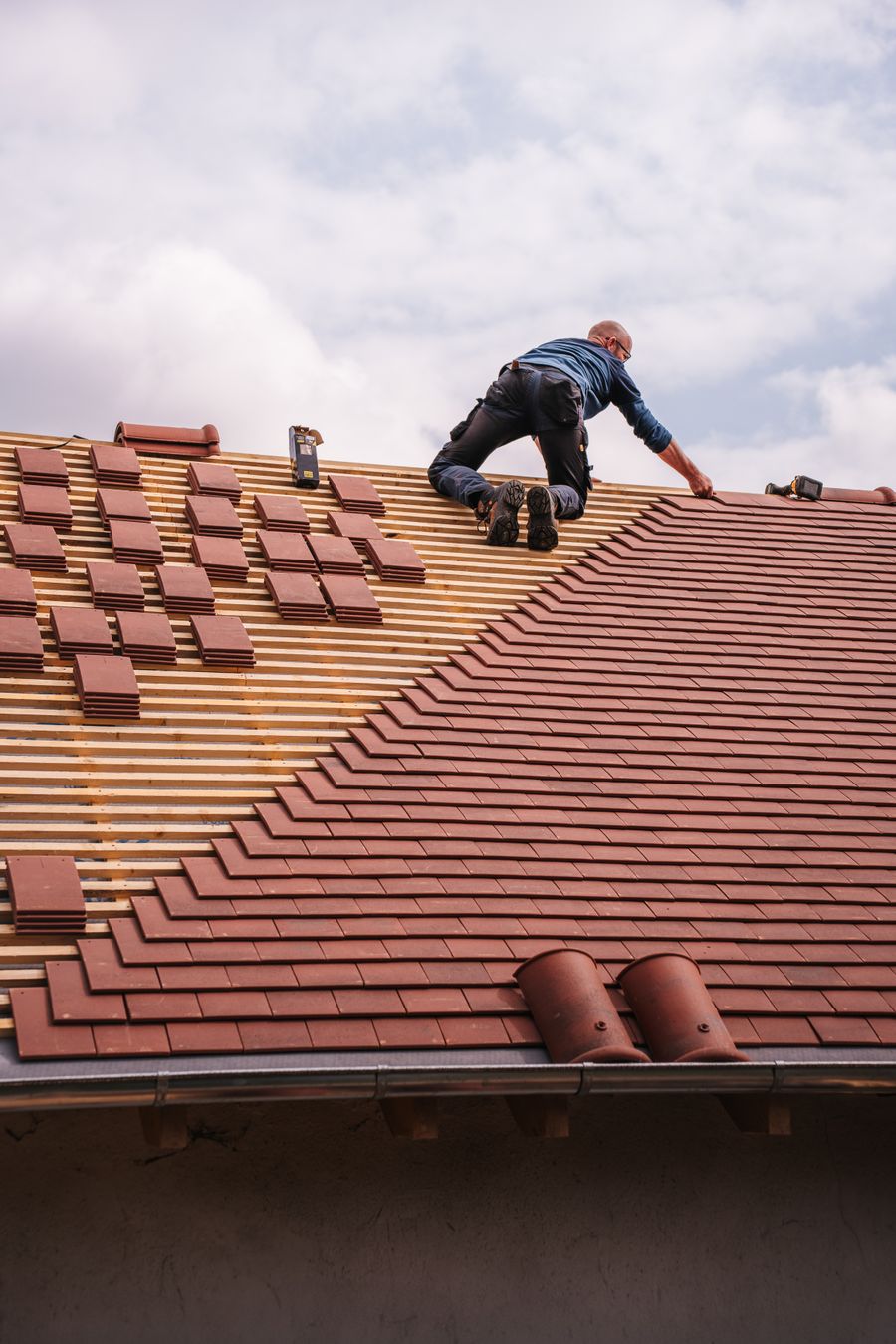
New homes, additions, and ADUs roofed to code — including Chapter 7A assemblies on hillside builds.
New Roof Installation in Berkeley →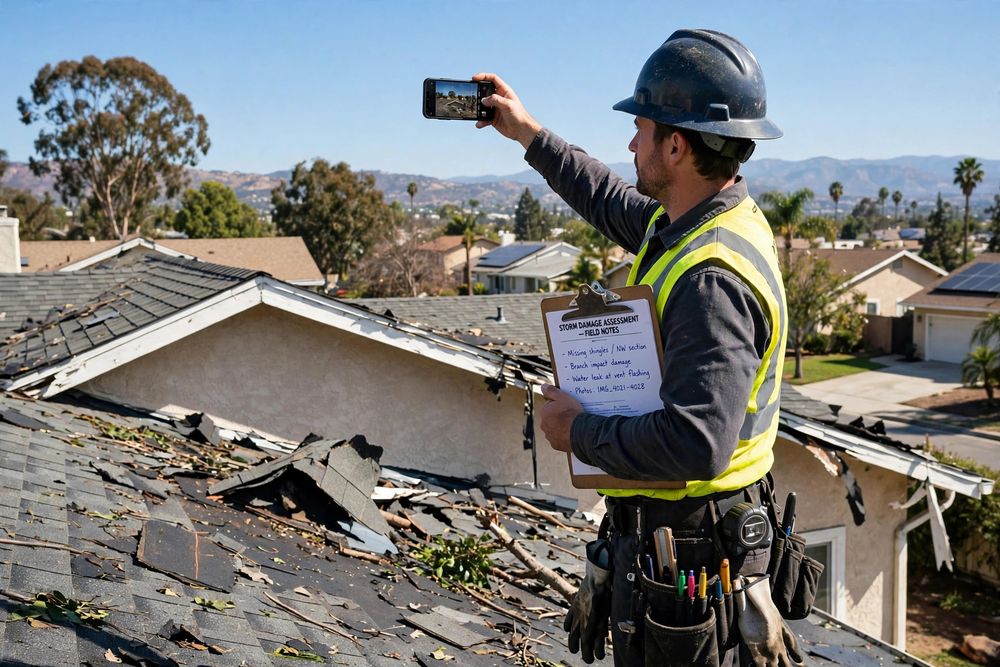
Holding a non-renewal letter, or a FAIR Plan file needing roof documentation? We record condition, materials, and Class A status with photos and a written report.
Roof Insurance Claim Help in Berkeley →Few California cities hold this many building eras at once. Point Richmond, where the Santa Fe Railway made its western terminus in 1900, keeps the oldest stock: Victorians and early-century cottages climbing a small hillside above the bay. A mile or so inland, the war years rewrote the map — Richmond's population jumped from about 23,000 in 1940 to roughly 120,000 by 1945 as the Kaiser shipyards turned out 747 Liberty and Victory ships, and the city filled with small, plainly built war-worker cottages, many of them just 700 to 1,000 square feet.
The war housing includes a genuine landmark: Atchison Village, built in 1941–42 for shipyard workers, is now a resident-owned cooperative listed on the National Register of Historic Places — some 450 homes in low, garden-style buildings whose shared roof lines are still maintained as a community. The Rosie the Riveter WWII Home Front National Historical Park interprets that whole era across the city.
Later bands complete the mix: 1950s and 60s tract homes inland, hillside houses toward Wildcat Canyon on the east, and Marina Bay's townhomes and condos, built in the late 1980s and 90s on filled shipyard ground at the water's edge. There is no single Richmond roof — there are at least four.
Near the water, the answer is chemistry. Point Richmond, Brickyard Cove, and Marina Bay sit in the marine layer's front row: fog, wind-driven salt, and damp that crusts window glass and corrodes ordinary fasteners and flashing years ahead of schedule. On those blocks we spec corrosion-resistant metal work as the default, not the upgrade.
Inland, the war cottages fail the way they were built — quickly and simply. Low pitches, minimal overhangs, and eighty years of patching mean leaks start at valleys, penetrations, and the junctions where additions were tied in. In the Richmond Annex the story is fog and shade — moss and algae on north slopes — and along the eastern edge, toward Wildcat Canyon, homes step into the same fire-map country as the Berkeley and El Cerrito hills, and get specced accordingly.
A cooperative that has maintained shared roofs since 1942 runs on documentation: what was done, when, and what it cost, kept where the next board can find it. We work the same way for every Richmond client — the photo file and written scope we hand over are yours to keep, whoever owns the roof next.
Richmond is the far edge of our map — a straight run north on I-80 from our base at 205 University Ave — and we take it because the housing asks for exactly what we do: old roofs, honestly assessed, with the documentation to prove the work. The city's building division handles permits; our process in front of you does not change.
One Richmond-specific promise: we will tell you which Richmond you live in before we quote. A Point Richmond cottage in the salt air and an Atchison cottage two miles inland are different specifications, and a bid that treats them as one roof is a bid that has not thought about either.
Read the city by its eras — each one built a different kind of roof.
The original townsite: Victorians, hillside cottages, the Richmond Plunge a few streets away. Marine exposure, period detailing, and design review on historic-district exteriors.
War-era cottages and the National Register cooperative. Low pitches, shared roof lines, and junctions where wartime additions meet wartime originals.
1980s–90s townhomes and condos on filled shipyard ground. Salt air eats standard fasteners here; low-slope sections and HOA roofs are the standing work.
Fog-shaded Annex blocks with mossy north slopes, rising to East Richmond Heights, where the back fence meets Wildcat Canyon and the fire maps take over.
Richmond bids float around the internet at numbers that owe more to algorithms than to Richmond. The brackets below are the Berkeley-area published envelope — the honest check for roofing Richmond quotes, from a market that shares the East Bay's labour pool and storm track. Where a Richmond job lands inside them depends on era: a war cottage's simple planes are the straightforward end of the business, and a marine-spec Point Richmond roof is not.
| Job | Published range | Source |
|---|---|---|
| Small repairs — leaks, boots, flashing | $300 – $800 | Berkeley-area contractor-published ranges |
| Larger repairs — valleys, decking, sections | $1,000 – $3,500 | Berkeley-area contractor-published ranges |
| Replacement, typical single-family home | $13,000 – $30,000 | Berkeley-area contractor cost guides |
| Historic, hillside & premium work | $35,000 and up | Berkeley-area contractor cost guides |
Salt-air specification is the quiet line item near the water: corrosion-resistant fasteners and flashing cost a little more at install, and a great deal less than replacing rusted metal work in year nine. Your written scope names the spec before you approve it.
Near the bay, yes. On Point Richmond and Marina Bay blocks, standard fasteners and flashing corrode years early in the fog and salt. We spec corrosion-resistant — stainless or marine-grade — metal work on waterfront jobs and say so in the written scope, so you can see the line item and the reason for it.
The simple things, at scale: pipe boots and flashing at the end of their service life, valleys where additions were tied into the original roof, and low-slope sections that pond after storms. The good news is that these are small, plainly built roofs — most failures are exact, affordable fixes once someone has actually climbed up and found them.
Through the co-op's own process: Atchison Village is a resident-owned cooperative, so roof decisions follow its board's procedures rather than a single owner's call. We are comfortable on that footing — documented inspections, written scopes, and photo files are exactly what a board needs to approve work and archive it. Bring us in through the co-op office and we will write for that reader.
Most of Richmond is not — but homes along the eastern edge, toward Wildcat Canyon and East Richmond Heights, step into the mapped fire country of the East Bay hills. Give us your address and we will check it against the state fire maps; where a parcel is mapped, we spec the roof to the Class A, ember-resistant standard.
Permits run through the City of Richmond's building division, and we pull them for replacement work. In the Point Richmond historic district, exterior changes can also require design review — we check your property's status before materials are chosen, not after.
Start roofing Richmond with photographs and a written scope — numbers checked against published ranges, specifications matched to your side of the city. Call us, and we will come up the freeway and look.